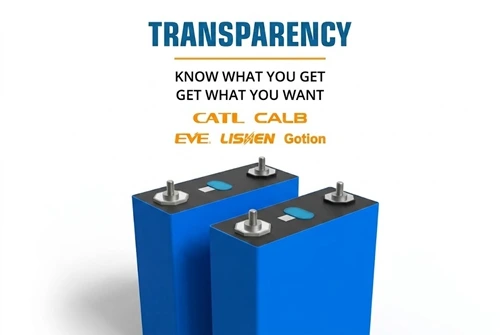
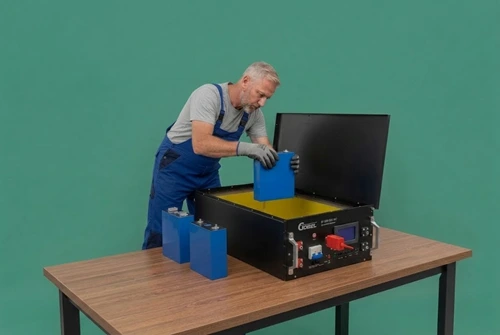
 Europe Warehouse Stock
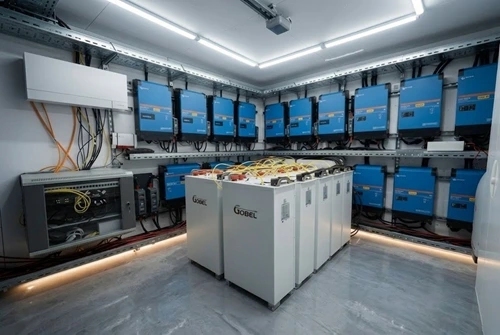

catl cell to pack
Lithium Battery Supplier-

EU Stock Cornex Grade A 3.2V 314Ah Rechargeable LiFePO4 Battery Cell
11% OFF Ship from China US$76.50
-

Project Zeta 356 51.2V 16S 18kWh DIY LiFePO4 Battery Box Kit Case with EVE 356Ah & JK BMS WiFi
Ship from China US$458.00
-

Project Zeta 356 51.2V EVE 356Ah 18kWh DIY Battery Cell Kit with JK BMS WIFI Function
Ship from China US$1,592.00
-

EU Stock Grade A EVE 3.2V 314Ah MB31 Rechargeable LiFePO4 Battery Cell
Ship from China US$78.00
-

Grade A EVE MB31 3.2V LiFePO4 314Ah LiFePO4 Baterie Cell for Energy Battery Storage
7% OFF Ship from China US$74.00
-

Gobel Power GP-PB2-JK280 51.2V 280Ah 15kWh LiFePO4 Battery
Ship from China Get Price
-

REPT 3.2V 392Ah LiFePO4 Energy Storage Battery Cell
Ship from China Get Price
-

Gobel Project X 628 LiFePO4 Battery DIY Kit for EVE MB56 628Ah LiFePO4 Cells
Ship from China US$600.00


-

Solution Solar Battery DIY Parts -

Solution Solar Inverter
After living with my solar battery for three months, the biggest surprise has been how much quieter my evenings feel. Before installation, I watched the utility meter climb whenever we cooked dinner, ran the dishwasher, and charged phones after sunset. Now the lithium iron phosphate battery usually covers those loads from stored rooftop solar, instead of buying expensive peak-hour electricity.
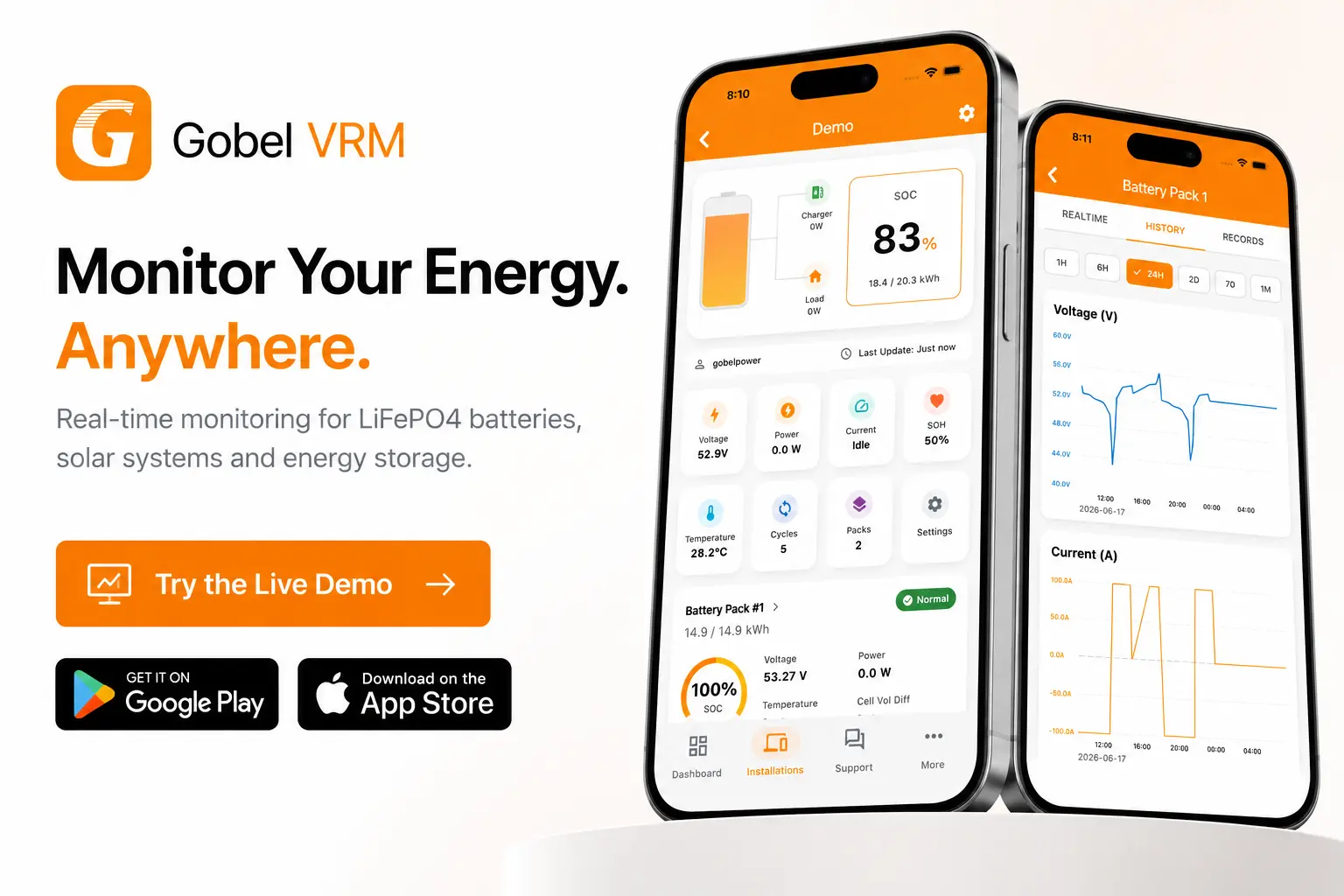
The setup was less intimidating than I expected. My installer mounted a 10-kWh home battery beside the garage, connected it to a hybrid inverter, and walked me through the monitoring app. I chose a catl cell to pack system because the quoted design looked compact and the warranty was straightforward. The installation took most of a day, including an electrician checking the main panel and backup circuits. There was no dramatic rewiring in my case, although the battery needed a clear wall area and good ventilation.
The savings show up most clearly during peak hours. On sunny weekdays, the battery charges around midday and then discharges between four and nine p.m. My monthly bill has fallen from roughly $185 to $92, though weather and rates change that number. That is not total energy independence; I still pull power from the grid on cloudy days and in winter. Still, avoiding the evening rate feels more valuable than the app’s daily graphs suggest.
One small troubleshooting moment happened after a firmware update. The battery stopped discharging at its scheduled time, and the dashboard showed “standby” instead of “self-consumption.” I power-cycled the inverter, checked Wi-Fi, and called support. They reset the operating mode remotely, and normal operation returned that evening. It was annoying, but not a costly failure.
For me, the best part is practical backup power. During one short outage, the refrigerator, lights, router, and garage door kept working without noise or fuss.