 Europe Warehouse Stock
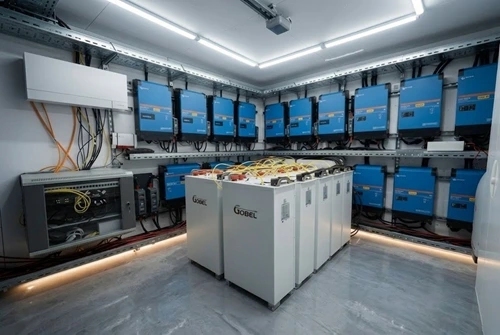

home backup power station
Lithium Battery Supplier-

Project Zeta 356 51.2V EVE 356Ah 18kWh DIY Battery Cell Kit with JK BMS WIFI Function
Ship from China US$1,592.00
-

Eu Stock Grade A LiShen 3.2V 314Ah LiFePO4 Battery Cell
22% OFF Ship from China Get Price
-

EU Stock Gobel Project Zeta 314 DIY Kit with Grade A 314Ah Cells 51.2V LiFePO4 Battery Case
20% OFF Ship from China US$1,599.00
-

EU Stock Gobel PowerThor 5000 5kWh Solar Home Inverter Battery Germany Designed
Ship from China US$1,099.00
-

PowerHarp 32 Home Energy Storage Battery 32kWh LiFePO4
Ship from China Get Price
-

PowerHarp 16 Whole House Battery Backup 16kWh LiFePO4
Ship from China Get Price


-

Solution Solar Battery DIY Parts -

Solution Solar Battery
Owning a solar battery has changed the way I use electricity at home. Before installing my home backup power station, I mostly ignored when the dishwasher or washing machine ran. Now I watch the battery monitor more closely, especially between four and nine in the evening, when my utility charges the highest rate.
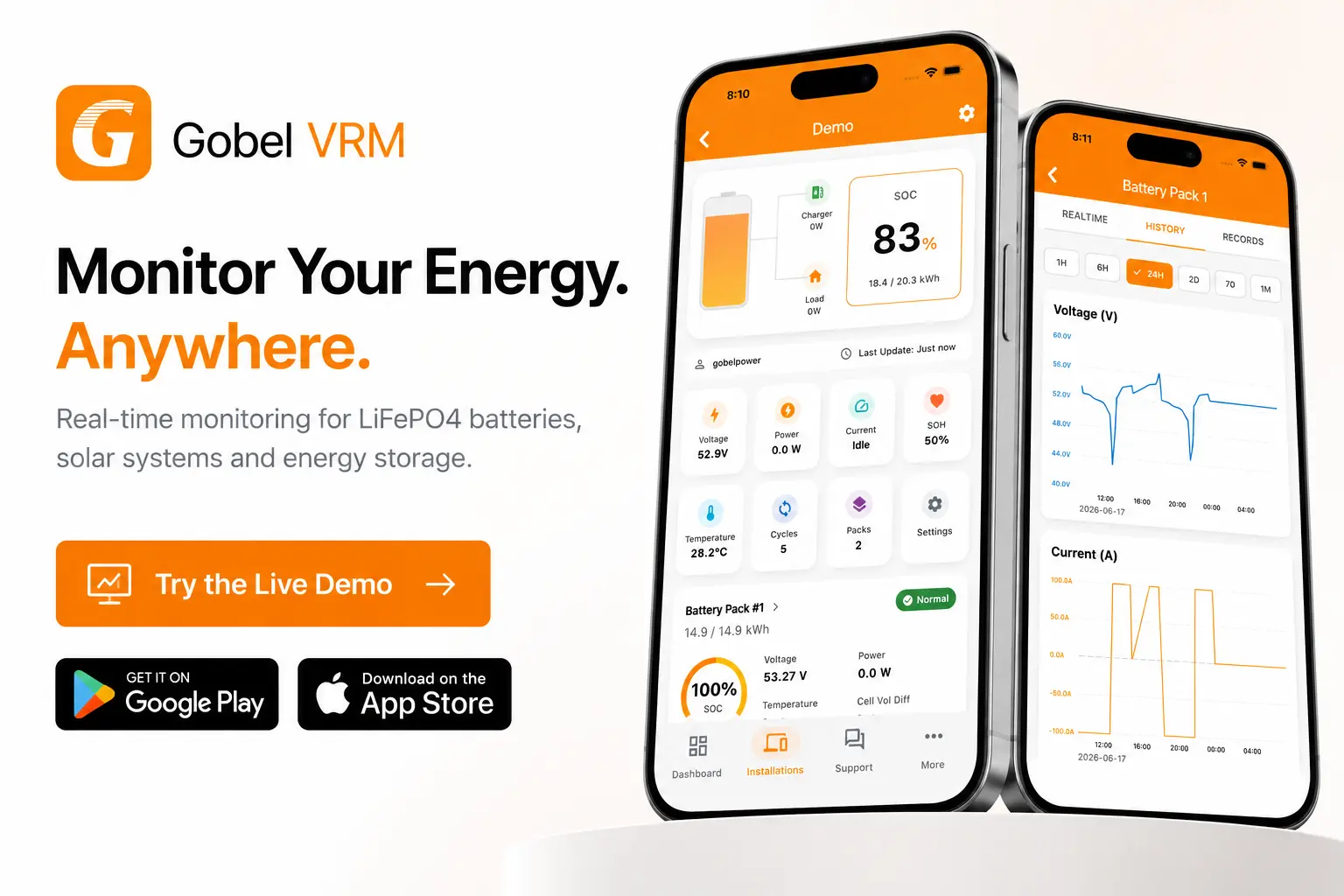
The installation itself was less dramatic than I expected. An electrician mounted the battery beside my inverter and connected it to the existing solar panels in one afternoon. I chose a lithium iron phosphate battery because I wanted something suitable for daily cycling, not just emergency backup. The app was helpful immediately: it showed solar production, battery state of charge, and household consumption in real time. My only complaint was that the Wi-Fi connection dropped twice during the first week. Restarting the gateway fixed it, although I still wish the system had a more useful offline display.
The biggest difference appears on summer evenings. My panels usually finish charging the battery by midafternoon, so I run the refrigerator, lights, router, and television from stored energy after sunset. I have shifted the dishwasher and laundry into daylight hours when possible, but the battery handles the rest. Looking at my bills, evening grid consumption fell by roughly 70 percent compared with last summer. That translated to about $45 to $60 less per month, depending on weather and how much air conditioning we used. It is not a miracle, and the battery cannot cover every appliance indefinitely, but avoiding those expensive peak hours feels genuinely worthwhile.
One stormy night, the battery stopped discharging at 18 percent. I initially panicked, then found a reserve setting had been enabled after a firmware update. Lowering that reserve restored normal operation. Since then, I check the app monthly and keep the emergency reserve intentionally.