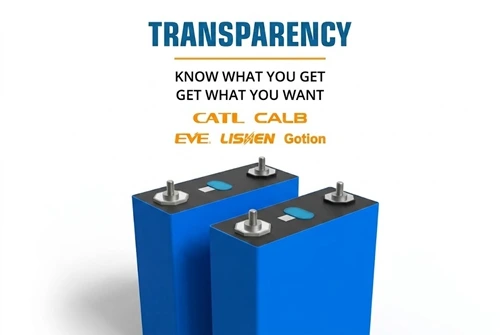
 Europe Warehouse Stock

eve zellen von shenzenbasentechnology (280ah)
Lithium Battery Supplier-

Eu Stock Grade A LiShen 3.2V 314Ah LiFePO4 Battery Cell
22% OFF Ship from China Get Price
-

Gobel PowerThor 5000 5kWh Solar Home Inverter Battery Germany Designed
36% OFF Ship from China US$952.00
-

PowerCarol 16 51.2V 16kWh Outdoor LiFePO4 Battery IP65
Ship from China Get Price
-

Cornex Grade A 3.2V 314Ah Rechargeable LiFePO4 Battery Cell
Ship from China US$68.00
-

EVE MB56 3.2V 628Ah LiFePO4 Battery Cell for Solar Battery Energy Storage
Ship from China US$126.00
-
EU Stock Gobel PowerThor 5000 5kWh Solar Home Inverter Battery Germany Designed
Ship from China US$1,099.00


-

Solution Solar Inverter -

Solution Solar Battery
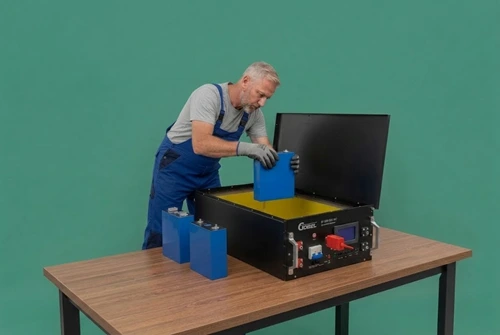
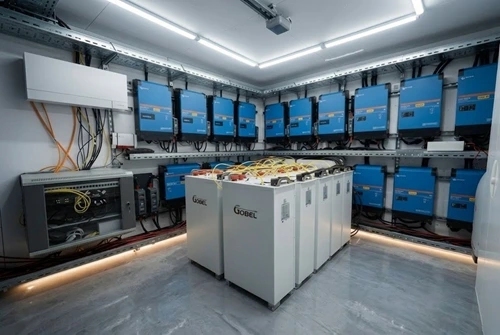
Very my solar battery stopped feeling like an expensive gadget and became part of our evening routine. I installed a 14 kWh lithium iron phosphate (LiFePO4) storage system last spring, using eve zellen von shenzenbasentechnology (280ah) cells in the battery bank. I had solar panels already, but before adding storage I still bought electricity every evening when rates were highest.
The biggest difference shows up between 5 and 9 p.m. My battery charges from surplus solar during the day, then runs the refrigerator, Wi-Fi, lights, television, and usually the dishwasher after dinner. I set the inverter to keep a small reserve for outages and discharge the rest during peak hours. On sunny days, our grid import drops to almost nothing until bedtime. Our monthly bill went from $145 to $78 in the summer month, although winter savings are smaller because the panels produce less and our heat pump works harder. I am not claiming the battery pays for itself quickly, but seeing the lower peak-rate usage is satisfying.
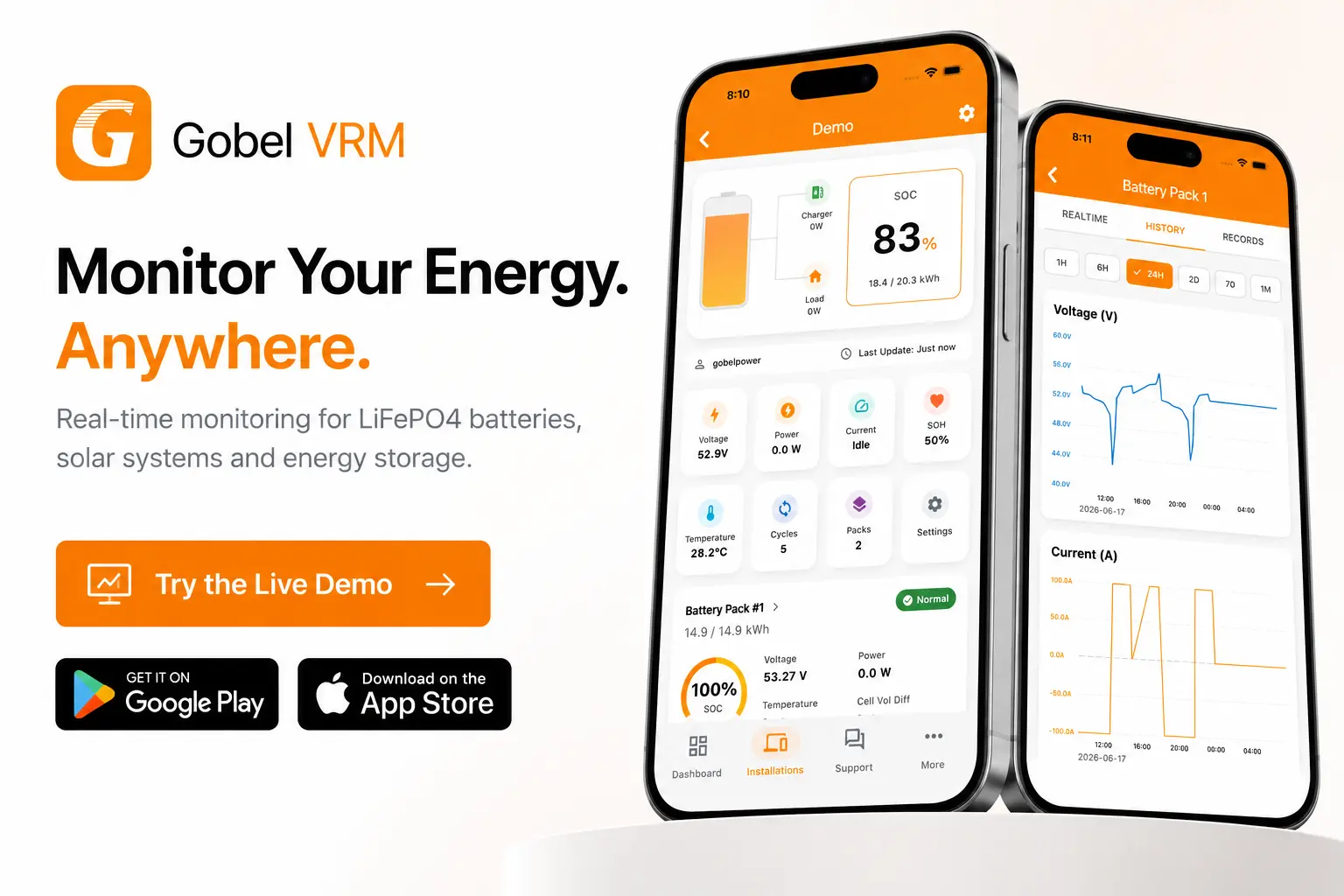
I did have one troubleshooting moment. The battery stopped discharging one evening even though the monitoring app showed a state of charge. After checking the cables and restarting the inverter, I found that I had enabled a “backup reserve only” setting during a firmware update. Changing it back to time-of-use mode fixed the problem in ten minutes. Since then, I check the app once a week rather than worrying about every percentage.
The lesson for me is that battery capacity matters less than sensible settings. A reliable battery management system, charge scheduling, and enough solar production make more difference than chasing the largest number of amp-hours. So far, the cells have stayed balanced, the cabinet is quiet, and I appreciate using my own solar power after sunset far more than I expected.