 Europe Warehouse Stock

epever
Lithium Battery Supplier-

51.2V 16S LiFePO4 Battery Pack DIY Kit Case with JK BMS WIFI Function
Ship from China US$458.00
-

Ship from China US$3,570.00
-

Gobel Power PC200B 51.2V LiFePO4 Battery Case DIY Kit With 314Ah Cells
Ship from China US$1,638.00
-

Gobel Power 51.2V 314Ah 16kWh LiFePO4 Floor-standing Battery
Ship from China US$1,960.00
-

EU Stock Grade A EVE 3.2V 314Ah MB31 Rechargeable LiFePO4 Battery Cell
Ship from China US$78.00
-

EU Stock Grade A Cornex 3.2V 314AhRechargeable LiFePO4 Battery Cell
18% OFF Ship from China Get Price
-

Eu Stock LiShen 3.2V 314Ah LiFePO4 Battery Cell
9% OFF Ship from China US$69.00
-

EU Stock Gobel Power 51.2V LiFePO4 Battery Case DIY Kit with Grade A 314Ah Cells
20% OFF Ship from China US$1,599.00
-

Gobel Power GP-WP1-16K 16kWh 51.2V 314Ah Outdoor LiFePO4 Battery
Ship from China US$2,660.00
-

51.2V 314Ah LiFePO4 Battery DIY Kit 16S 16kWh with JKBMS Smart BMS, WiFi Remote Monitoring and Cells
Ship from China US$1,592.00

-

Solution LiFePO4 Battery Cell -

Solution Solar Inverter
Powering my home with solar energy storage has changed the way I think about electricity bills. I installed an epever inverter and lithium battery bank last spring, mainly to use more of my rooftop solar after sunset.
The setup was less intimidating than I expected. My installer mounted the inverter in the utility room, connected the battery cabinet, and programmed a reserve level so I would not drain everything during an outage. The biggest difference shows up between 4 and 9 p.m., when our utility's peak rates apply. Before storage, the house pulled expensive grid power while we cooked, ran the dishwasher, and watched television. Now the battery handles most of that load.
My monthly bill has dropped by roughly 35 to 45 percent, depending on cloudy weather. That is usually around $55 saved, which makes the system feel practical rather than futuristic. I still buy some electricity overnight, but I avoid the costliest hours almost every day.
I did have one troubleshooting moment. During a hot week, the battery stopped charging at noon even though the panels were producing. The epever display showed a warning that turned out to be a temperature protection setting, not a failed battery. I cleared leaves blocking the ventilation area, let the room cool, and charging resumed that afternoon. Since then, I have kept the inverter area open and check the battery temperature occasionally.
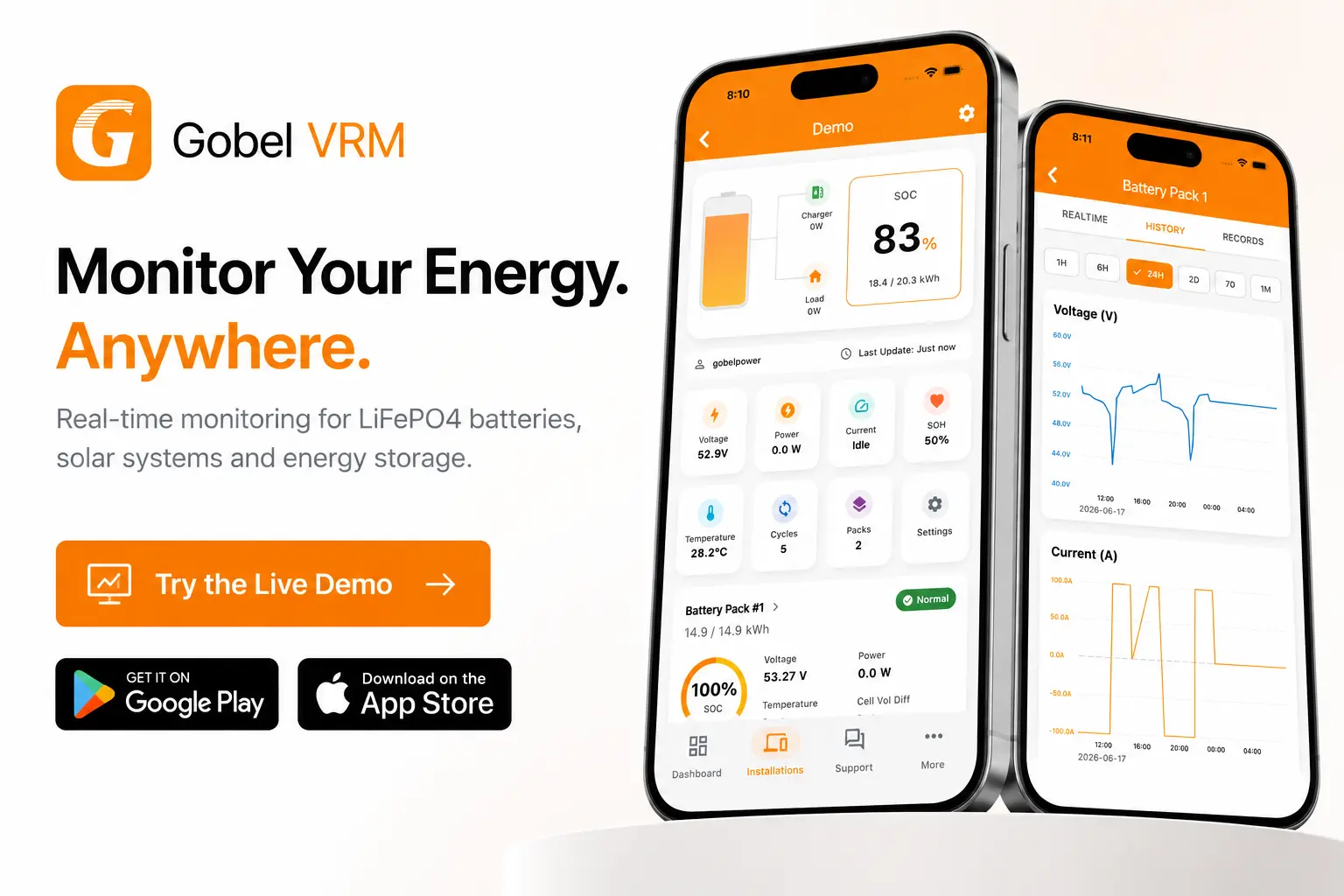
What I appreciate most is the quiet routine. There is no daily fuel or complicated maintenance; I just glance at the solar battery monitor and adjust heavy appliance use if the forecast looks poor. The battery has not eliminated my bill, but it has made solar power much more useful after dark. For my household, that daily peak-hour saving is the strongest reason I would install home energy storage again. It also gives me extra confidence during short outages, since the refrigerator, Wi-Fi, and a few lights keep running without any frantic extension-cord juggling.