 Europe Warehouse Stock

battery 12 40 lifepo4
Lithium Battery Supplier-

PowerHarp 32 Home Energy Storage Battery 32kWh LiFePO4
Ship from China Get Price
-

EU Stock Gobel PowerThor 5000 5kWh Solar Home Inverter Battery Germany Designed
Ship from China US$1,099.00
-

Grade A EVE 3.2V 314Ah MB31 Rechargeable LiFePO4 Battery Cell
12% OFF Ship from China US$70.00
-

EU Stock Cornex Grade A 3.2V 314Ah Rechargeable LiFePO4 Battery Cell
11% OFF Ship from China US$76.50
-

Grade A EVE 3.2V 356Ah LF356L Rechargeable LiFePO4 Battery Cell
Ship from China US$72.00
-

Project Zeta 356 51.2V EVE 356Ah 18kWh DIY Battery Cell Kit with JK BMS WIFI Function
Ship from China US$1,592.00
-

PowerHarp 16 Whole House Battery Backup 16kWh LiFePO4
Ship from China Get Price
-

Gobel Power 51.2V 15kW Stackable LiFePO4 Battery
Ship from China Get Price


-

Solution Solar Inverter -

Solution Solar Battery DIY Parts
After living with rooftop solar for two years, I finally added a home battery because exporting afternoon power for a small credit while buying expensive evening electricity felt backwards. My installer recommended a battery 12 40 lifepo4 setup, and the main reason I chose it was the lithium iron phosphate chemistry. I wanted dependable daily cycling rather than chasing the biggest possible capacity.
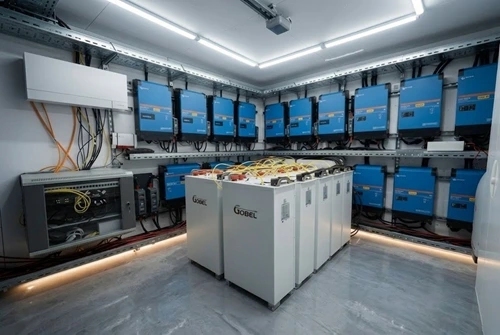
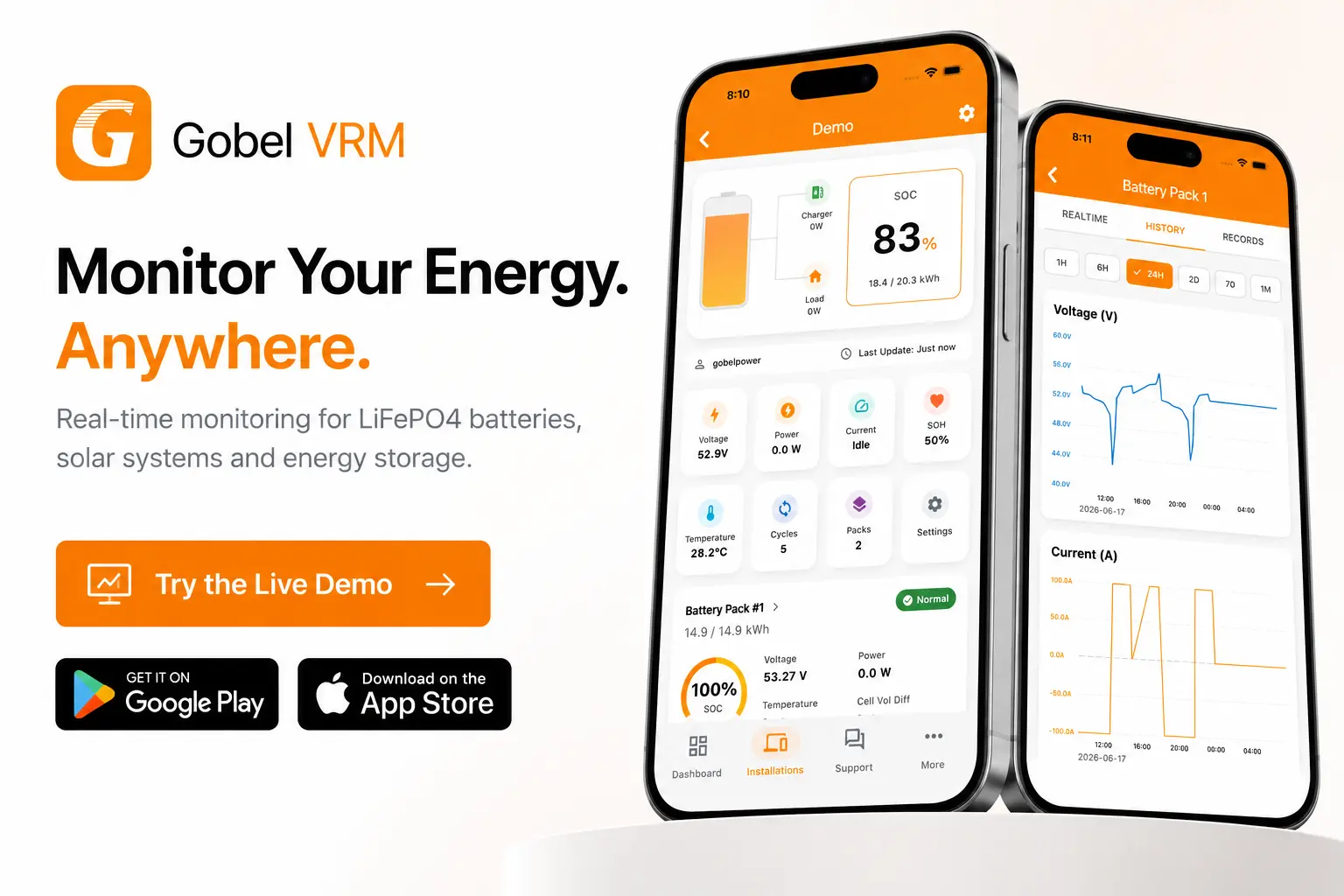
The installation itself was less disruptive than I expected. The technician mounted the battery beside my inverter in the garage, added a separate breaker, and connected it to the existing solar battery system. The monitoring app showed solar generation, household consumption, battery charge, and grid use on one screen. I spent the first week checking it often, especially when clouds rolled through.
The real difference appears between 4 p.m. and 9 p.m., when my utility's time-of-use rate is highest. On sunny days, the battery charges to about 95 percent before lunch, then powers the refrigerator, internet equipment, lights, and washing machine after sunset. I also run the dishwasher from stored energy instead of pulling from the grid. My evening grid usage has dropped dramatically, and my bill is usually $45 to $70 lower than before, depending on weather and heating demand.
One small troubleshooting moment happened during a cloudy weekend. The battery stopped discharging at its reserve setting, leaving me briefly confused. I discovered I had accidentally raised the backup reserve in the app while exploring settings. Lowering it restored normal operation immediately.
After six months, I appreciate the battery less as a gadget and more as a quiet daily habit. It makes my solar power useful after dark, softens peak-rate charges, and gives me backup during outages. I still watch consumption on stormy days, but the system has been practical, predictable, and cheaper to run.