 Europe Warehouse Stock

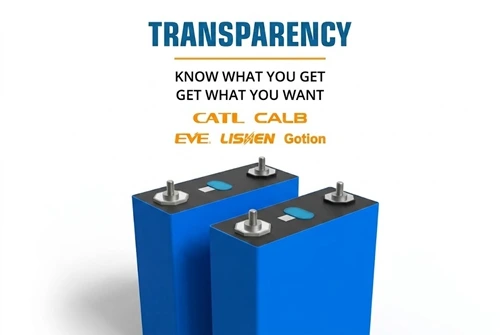
LiShen 314Ah
Lithium Battery Supplier-

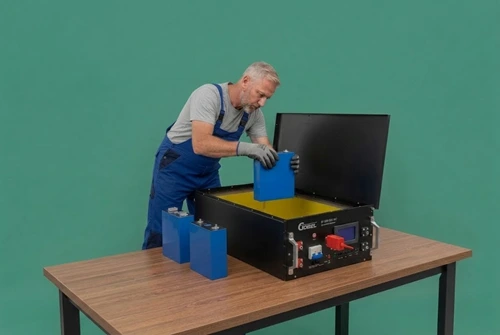
EU Stock Gobel Project X 314 16kWh LiFePO4 Battery DIY Kit
Ship from China US$560.00
-

EU Stock Cornex Grade A 3.2V 314Ah Rechargeable LiFePO4 Battery Cell
11% OFF Ship from China US$76.50
-
Cornex Grade A 3.2V 314Ah Rechargeable LiFePO4 Battery Cell
Ship from China US$68.00
-

PowerHarp 16 Whole House Battery Backup 16kWh LiFePO4
Ship from China Get Price
-

PowerHarp 32 Home Energy Storage Battery 32kWh LiFePO4
Ship from China Get Price
-
Gobel Project X 314 16kWh LiFePO4 Battery DIY Kit
Ship from China US$500.00
-

48V 314Ah 16kWh LiFePO4 Battery Backup for Home
Ship from China Get Price
-

EVE MB56 3.2V 628Ah LiFePO4 Battery Cell for Solar Battery Energy Storage
Ship from China US$126.00


-

Solution Solar Battery -

Solution LiFePO4 Battery Cell
I installed a home battery connected to our rooftop solar last spring, and the biggest change has been how ordinary evenings feel. Before, the panels sent plenty of power out during the day, then we bought it back once everyone got home and started cooking, running the dishwasher, and charging devices. Now the inverter charges the LiShen 314Ah battery from midday surplus, and we use that stored energy after sunset.
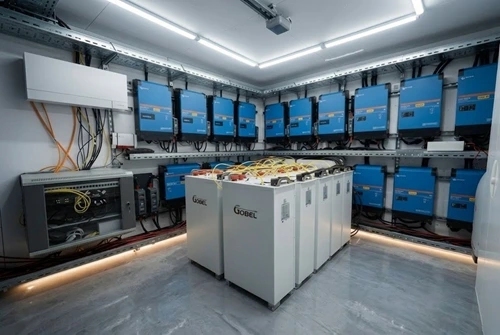
Our setup is not a whole-house backup, just a sensibly sized battery system tied into the circuits we use most. That distinction matters: I did not expect it to power every appliance indefinitely. On a normal sunny day, it covers the fridge, lights, internet router, and television for most of the evening. If we run the oven and laundry together, the battery drains faster, so we have learned to stagger those jobs.
The savings show up most clearly in our time-of-use bill. We used to pull grid power during the expensive evening window; now our meter barely moves then unless it is cloudy for a couple of days. Bills aren’t magically zero, but across the warmer months we have noticed a clear drop compared with the same months last year.
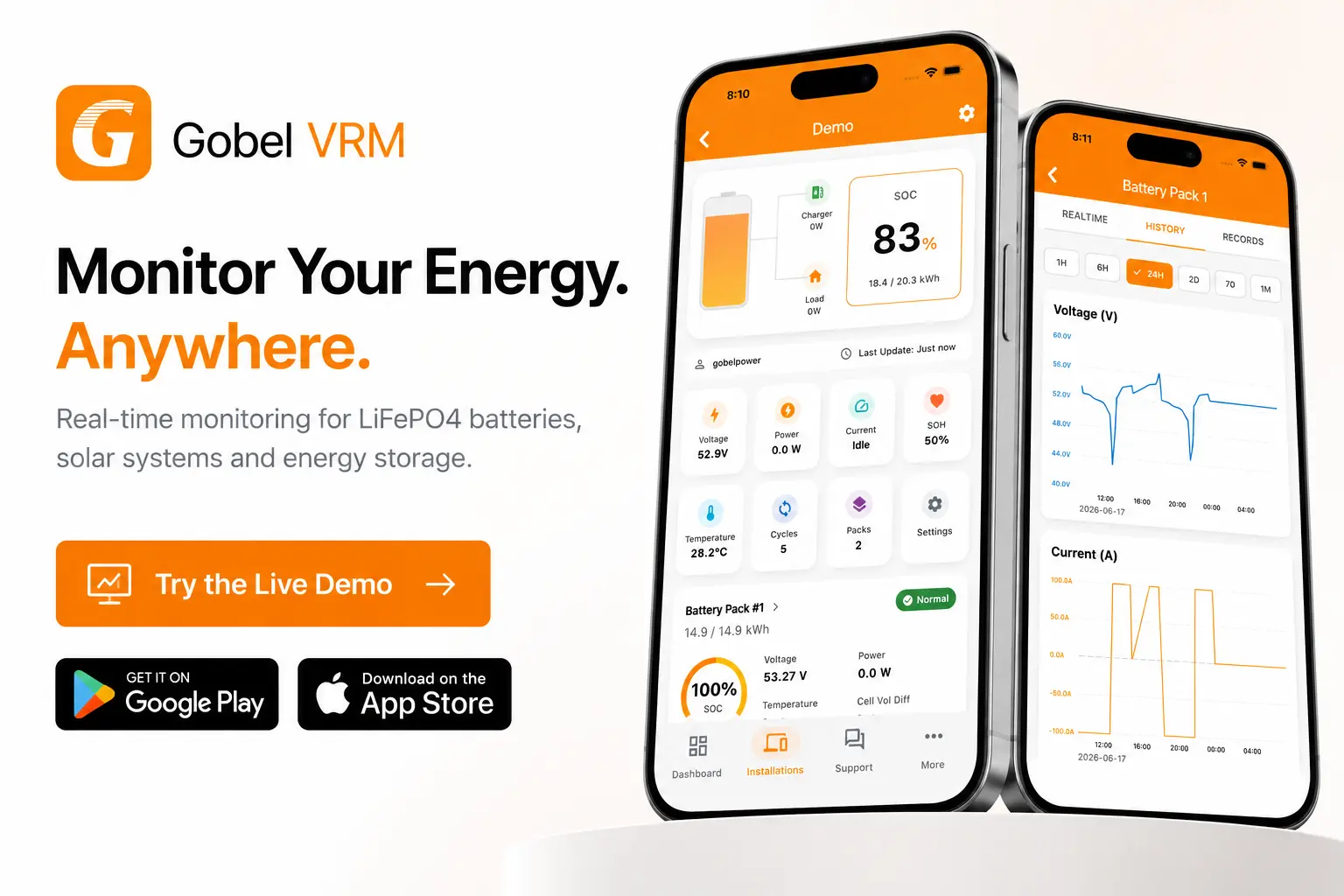
One small surprise was the battery reserve setting. I initially held too much capacity back for outages, so the system stopped discharging with energy remaining. After a week, I lowered the reserve and shifted more stored solar into evening use. It was an easy adjustment. I like seeing state of charge and daily grid import in one place. I check the app occasionally, but the schedule mostly takes care of itself daily. Rainy stretches still mean grid power, and I don’t expect winter bills to disappear. For us, the payoff is using more of our own solar after sunset.