 Europe Warehouse Stock

48v lithium ion battery 200ah
Lithium Battery Supplier-

EU Stock Cornex Grade A 3.2V 314Ah Rechargeable LiFePO4 Battery Cell
11% OFF Ship from China US$76.50
-

Grade A EVE 3.2V 314Ah MB31 Rechargeable LiFePO4 Battery Cell
12% OFF Ship from China US$70.00
-

Gobel Project X 628 LiFePO4 Battery DIY Kit for EVE MB56 628Ah LiFePO4 Cells
Ship from China US$600.00
-

Gobel Power GP-PB2-JK280 51.2V 280Ah 15kWh LiFePO4 Battery
Ship from China Get Price
-

EVE MB56 3.2V 628Ah LiFePO4 Battery Cell for Solar Battery Energy Storage
Ship from China US$126.00


-

Solution Solar Battery -

Solution LiFePO4 Battery Cell
8 months ago I added a 48v lithium ion battery 200ah unit to my rooftop solar setup, mainly to stop buying expensive evening electricity.
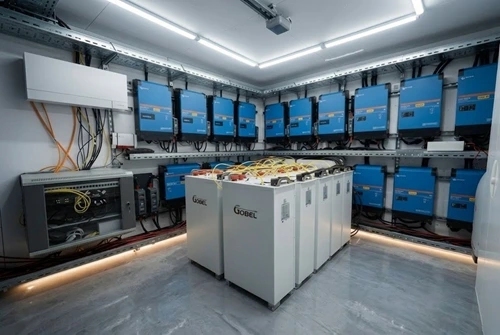
Before the battery, my panels produced plenty at lunchtime, but our house used most power after dinner. The difference showed up painfully on my utility bill, especially during peak hours. I chose a 5kWh lithium battery after comparing usable capacity, inverter compatibility, and warranty terms. Installation took a day. The installer mounted the battery in the garage, connected it to the hybrid inverter, and programmed it to charge from solar first. No complicated rewiring was needed, though I did have to clear a wall space and add a small ventilation gap.
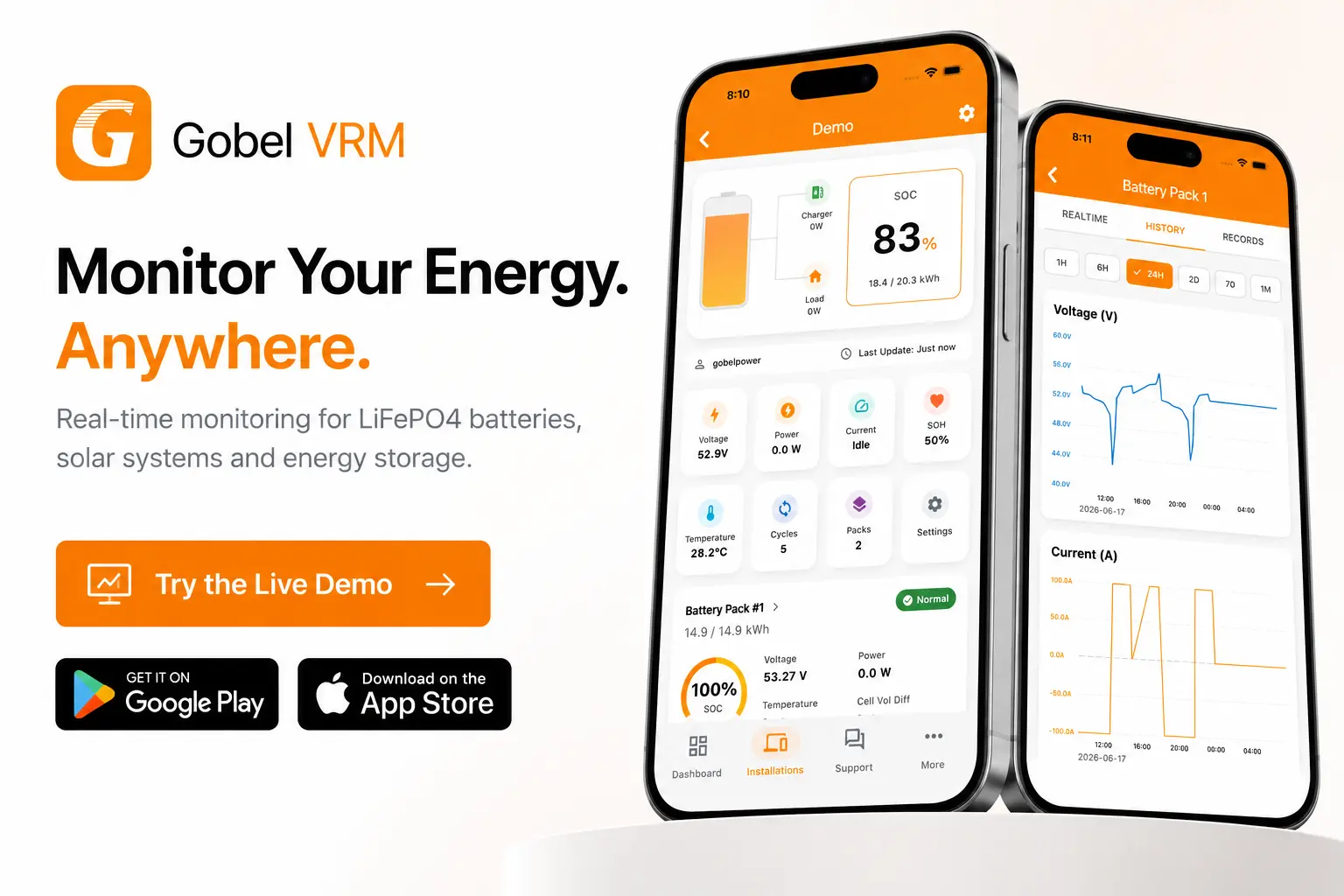
The first week was mostly about watching the app. At sunset, the battery usually sat near 95%. Our refrigerator, lights, heat-pump water heater, and Wi-Fi then ran from stored energy instead of grid power. By breakfast, the charge had fallen to roughly 35%, so the next day’s solar had room to refill it. That simple shift has been the biggest practical benefit. My utility statement dropped by about 30% in the first full month, although weather and changing rates make every month different. Across eight months, I estimate I have saved around $420 compared with the same usage last year. Maybe not every dollar is purely from storage, but peak-hour avoidance is doing most of the work.
I had one minor troubleshooting moment. The battery stopped discharging one evening after a firmware update, even though the app showed 68% charge. I power-cycled the inverter, waited five minutes, and checked the breaker. It resumed normally after restarting the system. Since then, I save screenshots of my settings and check the time-of-use schedule after updates. That small hiccup was annoying, but support confirmed the update had changed my discharge schedule. It has been reliable ever since that evening for our household.