 Europe Warehouse Stock

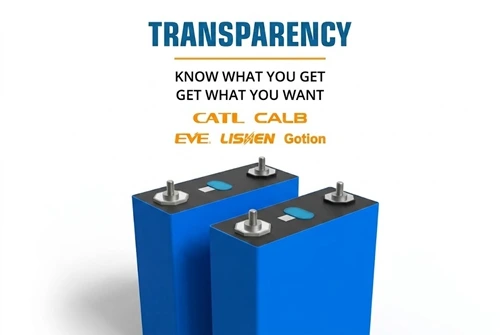
lithium phospate battery
Lithium Battery Supplier-

PowerCarol 16 51.2V 16kWh Outdoor LiFePO4 Battery IP65
Ship from China Get Price
-

EU Stock PowerFable 16 Server Rack Battery 16kWh for Home Backup
Ship from China US$2,264.00
-

PowerHarp 16 Whole House Battery Backup 16kWh LiFePO4
Ship from China Get Price
-

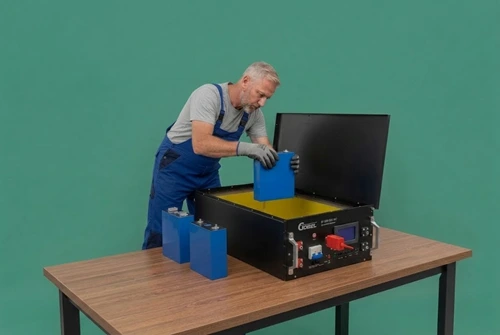
Gobel Project X 314 16kWh LiFePO4 Battery DIY Kit
Ship from China US$500.00
-
48V 314Ah 16kWh LiFePO4 Battery Backup for Home
Ship from China Get Price
-

EU Stock EVE MB56 3.2V 628Ah LiFePO4 Battery Cell 8000 Cycles
Ship from China US$146.00
-

EU Stock EV Grade HSEV EVE 3.2V 314Ah MB31 Rechargeable LiFePO4 Battery Cell
11% OFF Ship from China Get Price


-

Solution Solar Battery DIY Parts -

Solution Solar Inverter
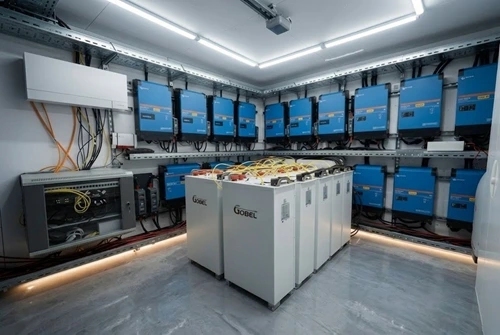
I installed a 10-kWh home battery storage system last spring, mainly to stop sending cheap midday solar back to the grid and buying it back during expensive evening hours. The unit uses a lithium phospate battery (the spelling on the supplier’s page actually says “lithium phospate battery”), paired with my rooftop solar and a hybrid inverter.
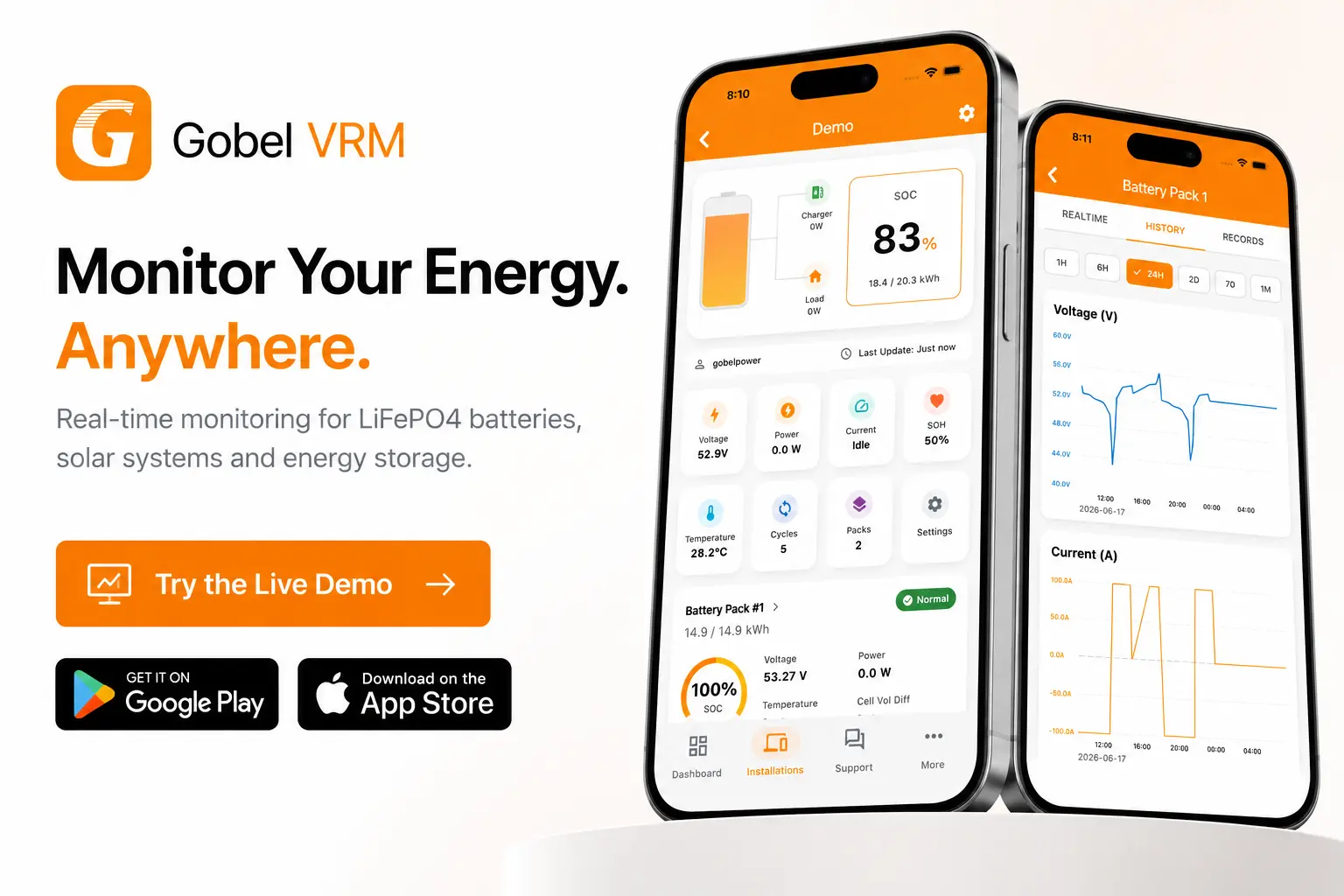
Setup was less intimidating than I expected. The installer mounted the battery in my garage, ran a new cable to the inverter, and programmed it to charge from solar between late morning and mid-afternoon. I had to change one setting in the monitoring app so it would prioritize my household loads before charging, but the technician explained it patiently over the phone. By dinner time, the installation was finished and the app showed live solar generation, battery state of charge, and consumption.
The biggest difference shows up after 4:00 p.m. Before storage, our electric meter jumped whenever the oven, dishwasher, and heat pump ran together. Now the battery discharges automatically through that window. On a typical sunny day, I use about 8 kWh from stored energy before bedtime. My bill dropped from roughly $180 to $110 per month during the summer, though rates and weather vary. That is not a dramatic overnight backup story, but it is predictable peak-hour bill savings every day.
I did have one minor scare when the battery stopped discharging during a cloudy afternoon. The app showed “standby,” and I initially assumed something had failed. After checking the reserve setting, I realized it was holding 20% capacity for outages. Once I lowered that reserve temporarily, discharge resumed. I returned it to 30% afterward because I prefer having emergency backup available.
Overall, storage has made solar power more useful, not merely increased self-consumption. I notice savings cooking dinner, not checking apps.