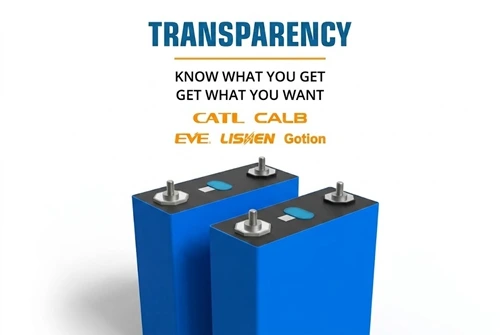
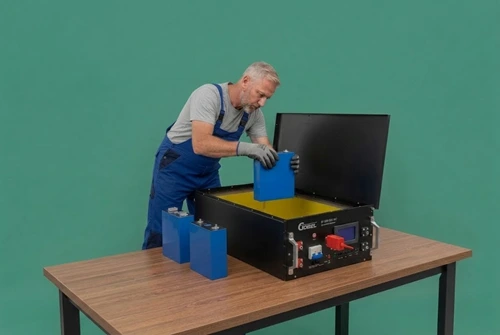
 Europe Warehouse Stock

29.4v charger lithium battery
Lithium Battery Supplier-

Project Zeta 314 51.2V 16S LiFePO4 Battery Pack DIY Kit Case with JK BMS WIFI Function
Ship from China US$458.00
-

EU Stock EV Grade HSEV EVE 3.2V 314Ah MB31 Rechargeable LiFePO4 Battery Cell
11% OFF Ship from China Get Price
-

Grade A EVE MB31 3.2V LiFePO4 314Ah LiFePO4 Baterie Cell for Energy Battery Storage
7% OFF Ship from China US$74.00
-

Grade A EVE 3.2V 356Ah LF356L Rechargeable LiFePO4 Battery Cell
Ship from China US$72.00
-

EU Stock Project Zeta 314 51.2V 16S LiFePO4 Battery Pack DIY Kit Case with JK BMS
23% OFF Ship from China US$515.00
-

EVE MB56 3.2V 628Ah LiFePO4 Battery Cell for Solar Battery Energy Storage
Ship from China US$126.00
-

Gobel Power GP-PB2-JK280 51.2V 280Ah 15kWh LiFePO4 Battery
Ship from China Get Price


-

Solution Solar Battery -

Solution Solar Inverter
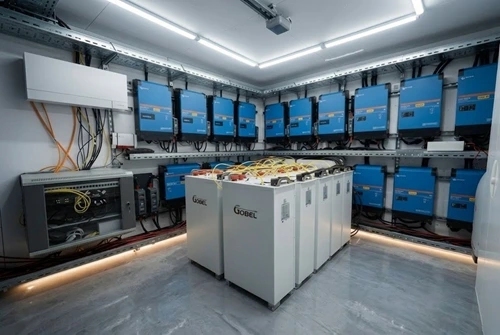
9 months ago, I added a 10 kWh lithium iron phosphate battery to my rooftop solar system, mainly to avoid buying expensive evening electricity. My installer connected it to a hybrid inverter, and the physical installation was finished in one day. The part that took longer was programming the charge schedule. I wanted the solar panels to fill the battery during the afternoon, then run the house from stored energy through the 4–9 p.m. peak period.
Before adding storage, my electricity bill averaged about $145 a month. Afterward, it usually sits between $65 and $80, depending on weather and heating use. The biggest difference is after sunset: the battery runs our refrigerator, Wi-Fi, lights, television, and sometimes the washing machine without pulling much from the grid. On a sunny day, it often reaches 100% by mid-afternoon. On cloudy winter days, I might only get 40–60%, so I still use some grid power at night.
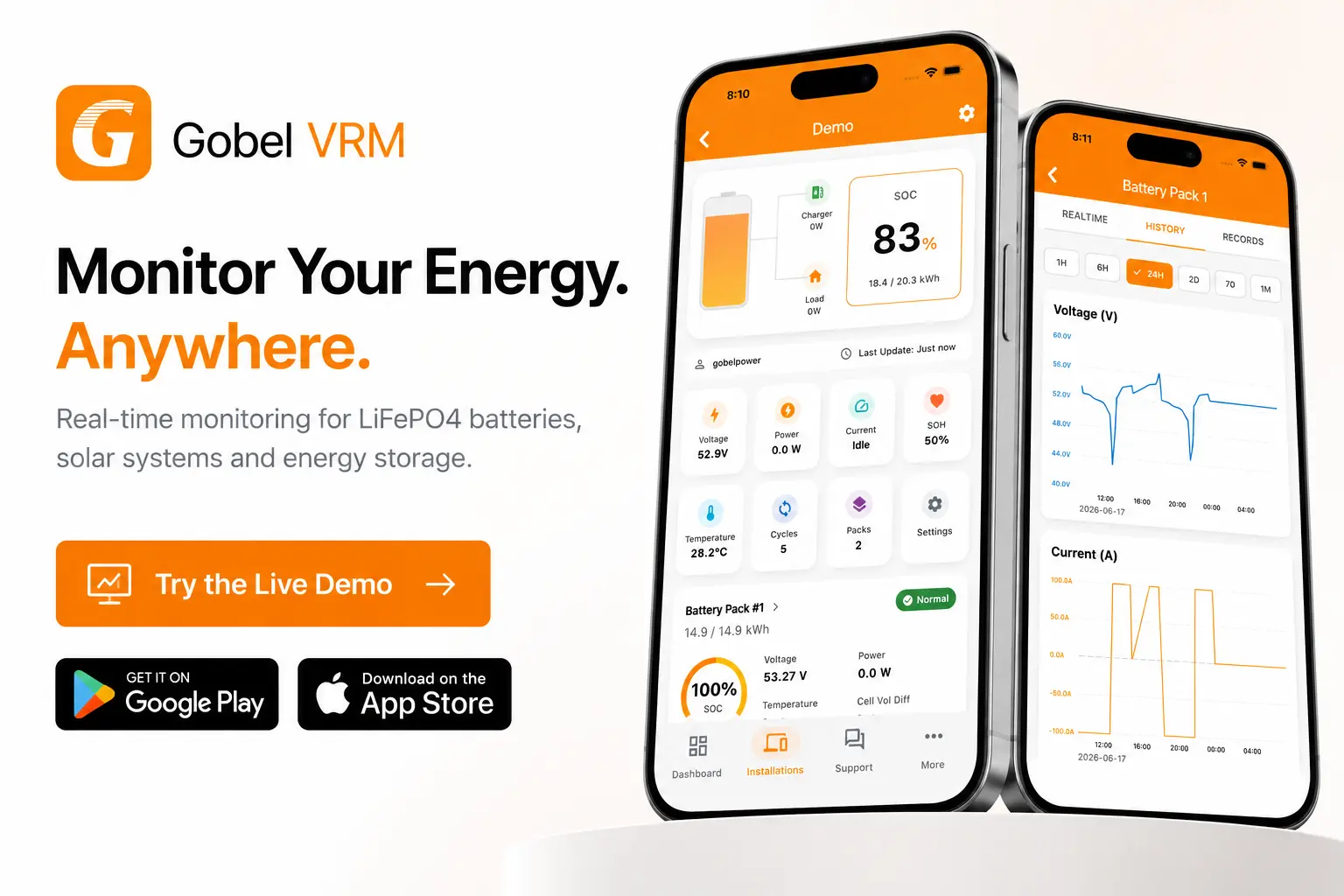
I also learned that small charging details matter. My original settings were too aggressive, and the inverter occasionally stopped charging early. I checked the battery monitor and noticed the voltage was fluctuating near the upper limit. The installer adjusted the charge profile and recommended a compatible 29.4v charger lithium battery setting rather than leaving it on a generic lithium preset. Since that change, charging has been steady and the battery management system has not reported another fault.
I do not treat the battery as unlimited backup. Running the electric dryer, oven, and heat pump together can drain it surprisingly quickly. I stagger those loads and keep an eye on the state-of-charge reading before bedtime. Overall, the solar battery has made my daily energy use feel more predictable. The savings are helpful, but I appreciate the practical benefit most: I use more of my own solar power instead of sending it back to the grid for a small credit.