 Europe Warehouse Stock

solar battery price
Lithium Battery Supplier-

EU Stock Gobel Project X 314 16kWh LiFePO4 Battery DIY Kit
Ship from China US$560.00
-

REPT 3.2V 392Ah LiFePO4 Energy Storage Battery Cell
Ship from China Get Price
-

PowerHarp 16 Whole House Battery Backup 16kWh LiFePO4
Ship from China Get Price
-

Gobel PowerThor 5000 5kWh Solar Home Inverter Battery Germany Designed
36% OFF Ship from China US$952.00
-
Gobel Project X 314 16kWh LiFePO4 Battery DIY Kit
Ship from China US$500.00
-

Project Zeta 356 51.2V EVE 356Ah 18kWh DIY Battery Cell Kit with JK BMS WIFI Function
Ship from China US$1,592.00
-

EU Stock Project Zeta 314 51.2V 16S LiFePO4 Battery Pack DIY Kit Case with JK BMS
23% OFF Ship from China US$515.00


-

Solution Solar Battery DIY Parts -

Solution Solar Inverter
Over the past eight months, my home solar battery has changed the way I use electricity. I installed a 10-kWh lithium iron phosphate battery alongside my existing rooftop solar panels, mainly to avoid buying power during our utility’s expensive evening window.
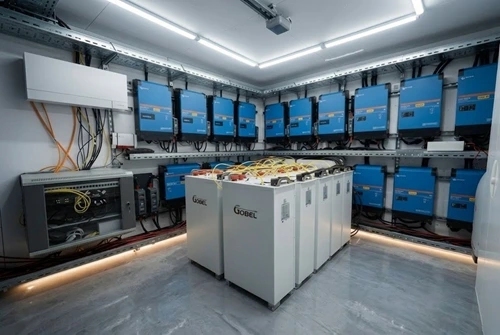
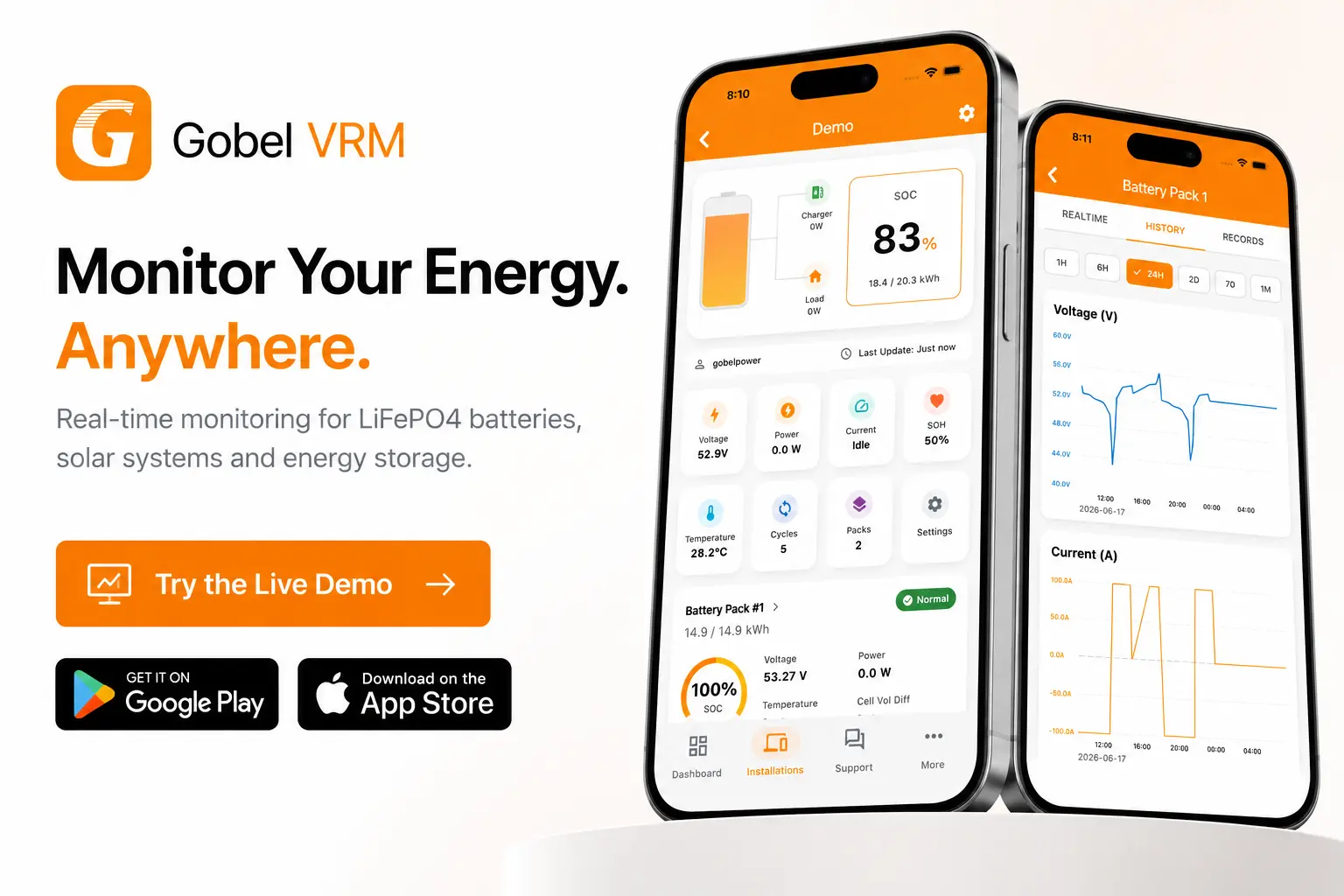
The setup was less intimidating than I expected. The installer mounted the battery in my garage, added a hybrid inverter, and connected it to the monitoring app. My only frustration was waiting for permission to operate; the equipment was ready, but the utility approval took nearly three weeks.
On a normal sunny day, panels fill the battery before lunchtime. After 4 p.m., the system automatically switches from grid power to stored energy. I notice the difference most when cooking dinner, running the dishwasher, and charging our plug-in hybrid. Last summer, those hours regularly pushed my bill into the highest rate tier. Now, my evening consumption is mostly covered by the solar battery, so our monthly bill has fallen from around $180 to about $75, depending on weather. That is roughly $105 saved each month, which makes the solar battery price feel much easier to justify.
I did have one small scare in January. The app showed the battery at 100%, yet the house briefly pulled from the grid during peak time. I checked the settings and found backup reserve had accidentally been raised to 80%. That meant the system was protecting a large emergency reserve instead of covering normal loads. I lowered it to 20%, restarted the inverter, and everything worked normally that evening. Since then, I check the battery state of charge once a week rather than obsessing over the app.
For me, the biggest benefit is savings and quieter nights. I still use the grid on cloudy stretches, but the battery has made solar power practical daily.