 Europe Warehouse Stock

power station lifepo4
Lithium Battery Supplier-

Project Zeta 356 51.2V 16S 18kWh DIY LiFePO4 Battery Box Kit Case with EVE 356Ah & JK BMS WiFi
Ship from China US$458.00
-

Gobel PowerThor 5000 5kWh Solar Home Inverter Battery Germany Designed
36% OFF Ship from China US$952.00
-

REPT 3.2V 392Ah LiFePO4 Energy Storage Battery Cell
Ship from China Get Price
-

Project Zeta 314 51.2V 16S LiFePO4 Battery Pack DIY Kit Case with JK BMS WIFI Function
Ship from China US$458.00
-
EU Stock Gobel PowerThor 5000 5kWh Solar Home Inverter Battery Germany Designed
Ship from China US$1,099.00
-

EU Stock PowerFable 16 Server Rack Battery 16kWh for Home Backup
Ship from China US$2,239.00
-

PowerCarol 16 51.2V 16kWh Outdoor LiFePO4 Battery IP65
Ship from China Get Price
-

Grade A EVE 3.2V 356Ah LF356L Rechargeable LiFePO4 Battery Cell
Ship from China US$72.00
-

EU Stock Project Zeta 314 51.2V 16S LiFePO4 Battery Pack DIY Kit Case with JK BMS
23% OFF Ship from China US$515.00
-

EU Stock Grade A EVE 3.2V 314Ah MB31 Rechargeable LiFePO4 Battery Cell
Ship from China US$78.00
-

EU Stock Gobel Project Zeta 314 DIY Kit with Grade A 314Ah Cells 51.2V LiFePO4 Battery Case
20% OFF Ship from China US$1,599.00
-

Solution Solar Inverter -

Solution LiFePO4 Battery Cell
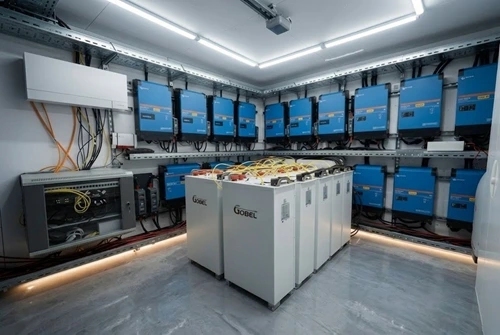
Over the past six months, my home solar battery has changed how I use electricity. I installed a 10 kWh LiFePO4 battery beside my inverter, mainly to avoid buying power during the expensive evening hours.
Before storage, my panels exported a lot at midday, then I pulled energy from the grid after dinner. That felt wasteful, especially when the utility rate jumped from about 18 cents to 36 cents per kWh. Now the battery charges from solar until late afternoon and carries us through cooking, laundry, and the dishwasher. On sunny days, it usually reaches 100 percent before 3 p.m. The inverter then switches to battery power automatically when the peak period begins. My evening grid consumption has dropped by roughly 70 percent. The savings vary with weather, but are typically $35 to $50 monthly.
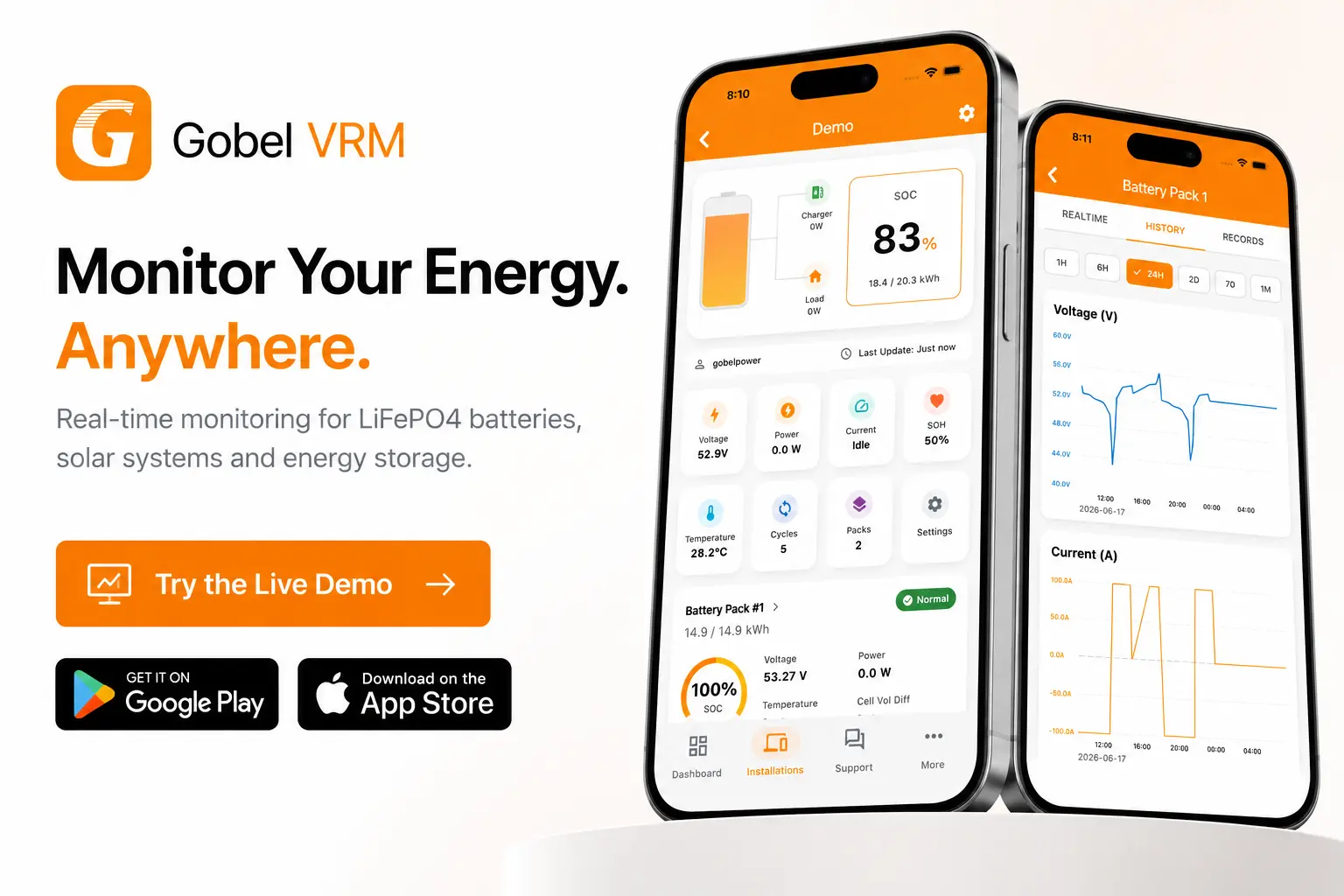
One small surprise was how quiet the setup is. I expected a noticeable hum, but my power station lifepo4 unit is almost silent unless the cooling fan runs during a very hot afternoon. I also like seeing the battery state of charge in the monitoring app, although I do not check it obsessively.
I did have one troubleshooting moment. After a firmware update, the battery stopped discharging at my scheduled evening time. The app showed no error, so I initially assumed the solar panels were underperforming. A full restart of the inverter fixed it. I later discovered the update had reset the time-of-use schedule. Since restoring that setting, the system has behaved reliably.
The biggest practical benefit is not independence; it is predictability. I know the solar storage will cover most evening loads, and I am less nervous when electricity prices rise. I still buy from the grid on cloudy stretches, but those bills are much easier to swallow. That matters more to me than flashy specifications. For me, steady peak-hour saving has been more valuable than chasing complete off-grid living.