
 Europe Warehouse Stock

lithium battery charger with display
Lithium Battery Supplier-

EU Stock - 51.2V Battery DIY Kit - 16kWh LiFePO4 Energy Storage System
Ship from China US$575.00
-

Gobel Power GP-SR1-PC314 Standard 51.2V 314Ah 16kWh LiFePO4 Server Rack Battery
Ship from China US$2,280.00
-

CATL 3.2V 314Ah LiFePO4 Battery Cell
Ship from China US$84.00
-

Grade A+ EVE MB31 3.2V LiFePO4 314Ah LiFePO4 Baterie Cell for Energy Battery Storage
7% OFF Ship from China US$74.00
-

EVE Grade A 668Ah 2.15kWh LF668 3.2V Rechargeable LiFePO4 Battery Cell for Energy Storage Systems
Ship from China US$129.00
-

REPT 3.2V 392Ah LiFePO4 Energy Storage Battery Cell
Ship from China US$89.00
-

Grade A EVE 3.2V 314Ah MB31 Rechargeable LiFePO4 Battery Cell
12% OFF Ship from China US$70.00
-

Gobel Power Project X LiFePO4 Battery DIY Kit
Ship from China US$500.00
-

Gobel Power GP-SR1-JK314 Standard 51.2V 314Ah 16kWh LiFePO4 Server Rack Battery
Ship from China US$2,204.00
-

EVE MB56 3.2V 628Ah LiFePO4 Battery Cell for Solar Battery Energy Storage
Ship from China US$126.00
-

EVE 3.2V 356Ah LF356L Rechargeable LiFePO4 Battery Cell
Ship from China US$72.00
-

Solution Solar Battery -

Solution Solar Inverter
I installed my first home battery storage system last spring, mainly because my evening electricity rates had become painful. The setup was less intimidating than expected: an installer mounted a 10-kWh lithium iron phosphate battery beside the inverter, then connected it to my rooftop solar array and existing electrical panel.
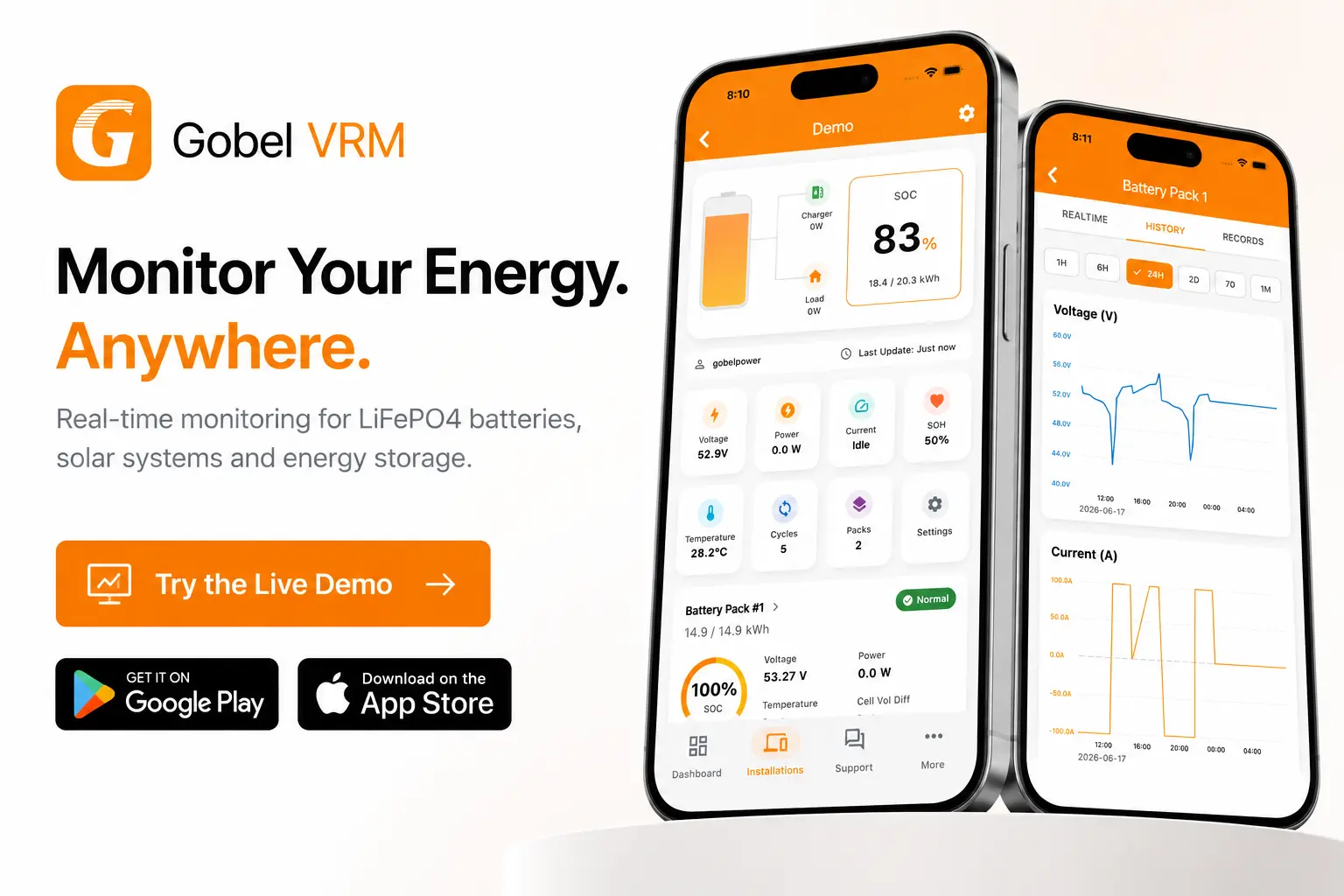
My only real hesitation was understanding when the battery would charge and discharge. The app helped, although I still check the physical screen most mornings. I bought a separate lithium battery charger with display for occasional maintenance charging, and its simple readout has been surprisingly useful. During cloudy weeks, I can see the charging rate immediately instead of guessing from an app graph.
The biggest difference shows up after dinner. Before storage, our heat pump, cooking, and dishwasher pushed us into expensive peak hours. Now the solar battery runs those loads after sunset. On a typical summer day, solar fills the battery by midafternoon, and I use roughly 6 to 8 kWh overnight.
My utility statements show the impact: peak consumption has fallen by around 70 percent, saving roughly $45 to $65 monthly in the warmer months. It is not a dramatic “zero bill” result, since I still pay connection charges and buy grid power during dark, rainy stretches, but the payback feels believable because I see the reduction every month.
I did have one minor troubleshooting moment. After a firmware update, the battery stopped discharging at its usual evening time. The inverter showed no fault code; the app simply said “waiting for grid conditions.” I power-cycled the inverter once and checked the backup reserve setting, which had somehow changed from 20 percent to 80 percent. Restoring it fixed the issue immediately. Since then, I leave that reserve at 25 percent. It gives me peace of mind during long outages.