 Europe Warehouse Stock

full
Lithium Battery Supplier-

PowerCarol 16 51.2V 16kWh Outdoor LiFePO4 Battery IP65
Ship from China Get Price
-

Gobel Power GP-PB2-JK280 51.2V 280Ah 15kWh LiFePO4 Battery
Ship from China Get Price
-

PowerHarp 32 Home Energy Storage Battery 32kWh LiFePO4
Ship from China Get Price
-

Gobel Project X 628 LiFePO4 Battery DIY Kit for EVE MB56 628Ah LiFePO4 Cells
Ship from China US$600.00
-

EU Stock Cornex Grade A 3.2V 314Ah Rechargeable LiFePO4 Battery Cell
11% OFF Ship from China US$76.50
-

Project Zeta 356 51.2V EVE 356Ah 18kWh DIY Battery Cell Kit with JK BMS WIFI Function
Ship from China US$1,592.00
-

EU Stock Gobel Project Zeta 314 DIY Kit with Grade A 314Ah Cells 51.2V LiFePO4 Battery Case
20% OFF Ship from China US$1,599.00


-

Solution LiFePO4 Battery Cell -

Solution Solar Battery DIY Parts
Until we added a home battery to our rooftop solar setup, I thought the biggest change would be backup during outages. It turned out to be how much less I worry about the evening peak. Our utility charges more from 4 to 9 p.m., exactly when we cook, run the dishwasher, and settle in with lights and laptops. Now the battery usually carries that stretch after the panels stop producing, instead of pulling as much expensive power from the grid.
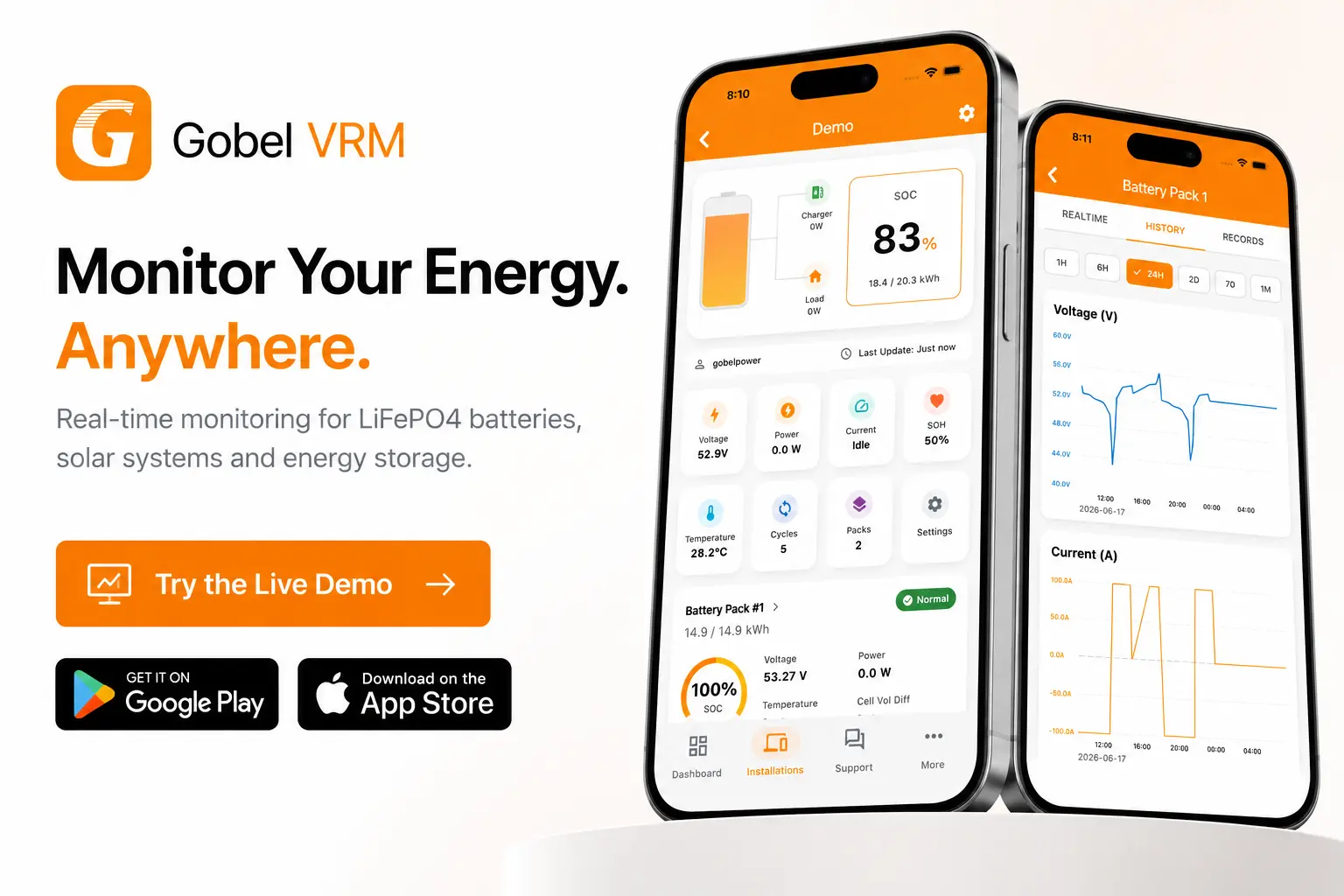
The savings aren't dramatic every single day, because cloudy weather changes the equation, but the pattern is clear on sunny weeks. Our monitoring app shows the battery reaching full by afternoon, then discharging steadily after dinner. Before installation, our highest-use hours lined up with the highest rates; now the meter barely moves during that window. I don't treat the app's estimates as guaranteed dollars, but comparing bills across similar months, we've shaved roughly $35 to $50 off the summer bill. That's meaningful to us, especially since we didn't change our routines or sit in the dark to save.
One small hiccup during the first cold snap: the battery stopped discharging overnight and the app showed it was waiting. I initially assumed something had failed. A quick look at the settings showed reserve backup had been raised after a firmware update, leaving more capacity untouched for outages. I lowered it to our usual level and discharge resumed that evening. No technician visit was needed, but it taught me to check operating mode before panicking.
That reserve setting is the number I check seasonally. In winter I keep more backup; in summer I let the battery work harder. It hasn't made us energy independent, and cloudy stretches mean grid power, but our evenings feel cheaper and more predictable. That's my practical win.
4pcs lifepo4 rechargeable 3.2v 280ah from polenwechselrichterbms плат�дл�lifepo4 4s 12vgrowatt hybrid inverter 3 phase 48V Battery3.2v 280ah lifepo4 battery celldeep cycle lithium batterysolar battery lifepo448v lithium ion battery price south africa12v 400ah lifepo4 battery packjinkosolar energy storage battery cell5 kwh lithium ion battery