 Europe Warehouse Stock

Bddcmi2qmy
Lithium Battery Supplier-

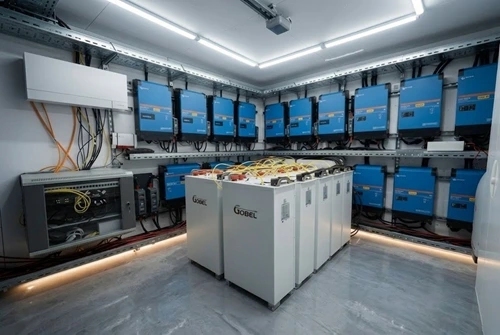
Gobel Power GP-PB2-JK280 51.2V 280Ah 15kWh LiFePO4 Battery
Ship from China Get Price
-

EU Stock PowerFable 16 Server Rack Battery 16kWh for Home Backup
Ship from China US$2,239.00
-

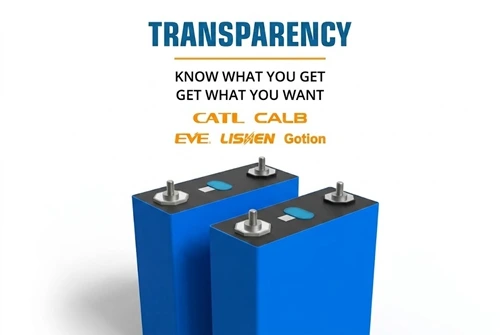
Eu Stock Grade A LiShen 3.2V 314Ah LiFePO4 Battery Cell
22% OFF Ship from China Get Price
-

REPT 3.2V 392Ah LiFePO4 Energy Storage Battery Cell
Ship from China Get Price
-

Project Zeta 314 51.2V 16S LiFePO4 Battery Pack DIY Kit Case with JK BMS WIFI Function
Ship from China US$458.00
-

Grade A EVE 3.2V 356Ah LF356L Rechargeable LiFePO4 Battery Cell
Ship from China US$72.00
-

EU Stock EVE MB56 3.2V 628Ah LiFePO4 Battery Cell 8000 Cycles
Ship from China US$146.00
-

EU Stock Grade A EVE 3.2V 314Ah MB31 Rechargeable LiFePO4 Battery Cell
Ship from China US$78.00
-
48V 314Ah 16kWh LiFePO4 Battery Backup for Home
Ship from China Get Price
-

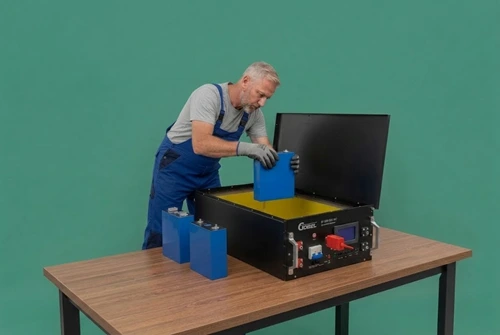
Gobel Project X 314 16kWh LiFePO4 Battery DIY Kit
Ship from China US$500.00

-

Solution LiFePO4 Battery Cell -

Solution Solar Battery DIY Parts
During the first week after our home battery was installed, I kept checking the app like a nervous new owner. The useful surprise wasn’t the big outage test; it was how ordinary evenings changed. We have a small rooftop solar array, and before storage, surplus power went to the grid while we bought electricity back after sunset. Now the lithium-ion battery charges through the afternoon, then carries the fridge, router, lights, and usually the dishwasher during the expensive peak window.
I don’t run the air conditioner from the battery all night, so I wasn’t expecting a dramatic bill transformation. Still, on the latest statement, evening grid use had dropped noticeably; our bill was about $38 less than the same month last year, despite similar weather. Rates and sunshine vary, so I’m not treating that as a guaranteed monthly saving. But shifting those peak-hour kilowatt-hours feels better than sending every spare solar kilowatt-hour away.
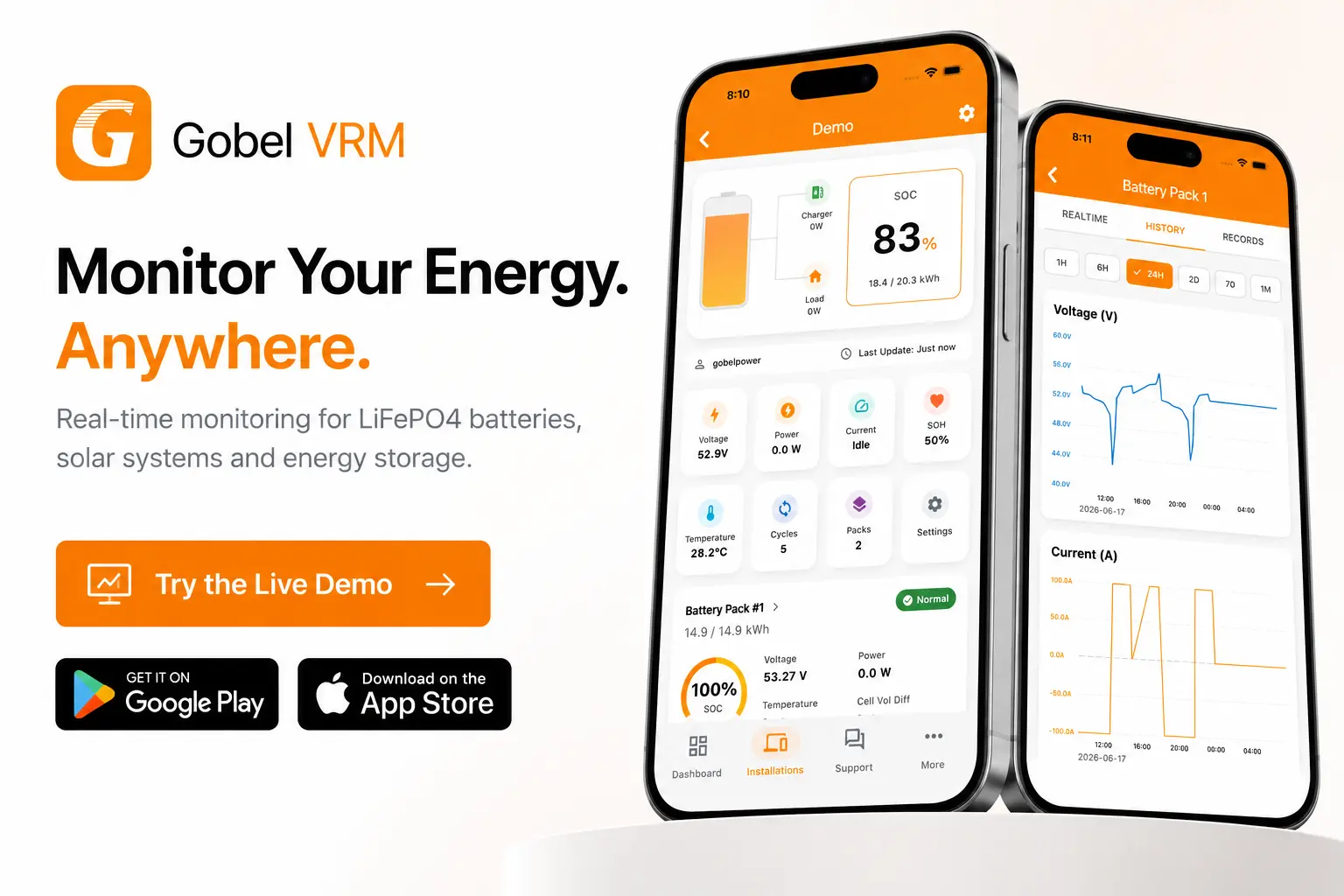
The small hiccup was a setting I misunderstood: I had set a reserve of 40%, thinking it meant the battery would always stop discharging at that level. That left more evening power unused than I expected. I checked the manual, lowered the backup reserve to 20% for normal days, and kept the higher setting for stormy forecasts. No service call, just a couple of minutes in the app and a reminder to review it before winter.
That adjustment made the system feel fitted to our routine. I still glance at the state-of-charge graph with my morning coffee, but I don’t obsess over every percentage now. Bddcmi2qmy is the note I saved beside my tariff details so I can compare seasons without guessing. For our household, the win is simple: solar power is there when we actually use it, and the quieter evening bill makes the investment feel practical.