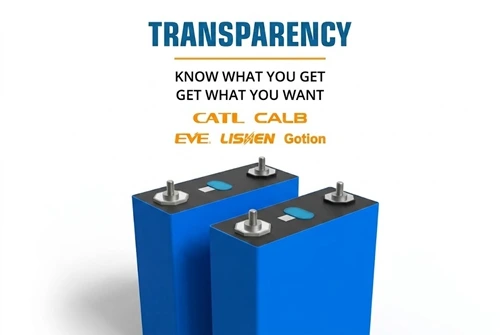

 Europe Warehouse Stock
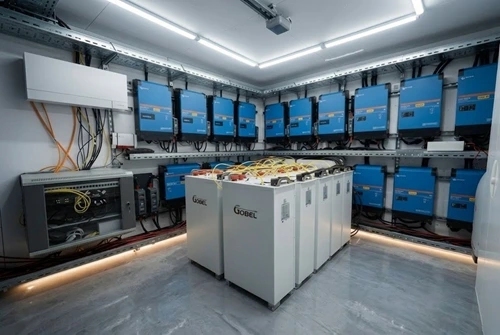

48v lithium sos 48v 100ah battery pack
Lithium Battery Supplier-

EU Stock PowerFable 16 Server Rack Battery 16kWh for Home Backup
Ship from China US$2,239.00
-

Gobel Power GP-PB2-JK280 51.2V 280Ah 15kWh LiFePO4 Battery
Ship from China Get Price
-

Grade A EVE 3.2V 356Ah LF356L Rechargeable LiFePO4 Battery Cell
Ship from China US$72.00
-

PowerCarol 16 51.2V 16kWh Outdoor LiFePO4 Battery IP65
Ship from China Get Price
-

Eu Stock Grade A LiShen 3.2V 314Ah LiFePO4 Battery Cell
22% OFF Ship from China Get Price
-

EU Stock Grade A EVE 3.2V 314Ah MB31 Rechargeable LiFePO4 Battery Cell
Ship from China US$78.00


-

Solution Solar Battery -

Solution LiFePO4 Battery Cell
8 months ago, I added a 48v lithium sos 48v 100ah battery pack to my rooftop solar setup, mainly because our evening electricity rates had become painful. The installation was less dramatic than I expected. My installer mounted the lithium battery on a concrete wall in the garage, connected it to a hybrid inverter, and programmed it to charge from solar during the day and discharge after 4 p.m.
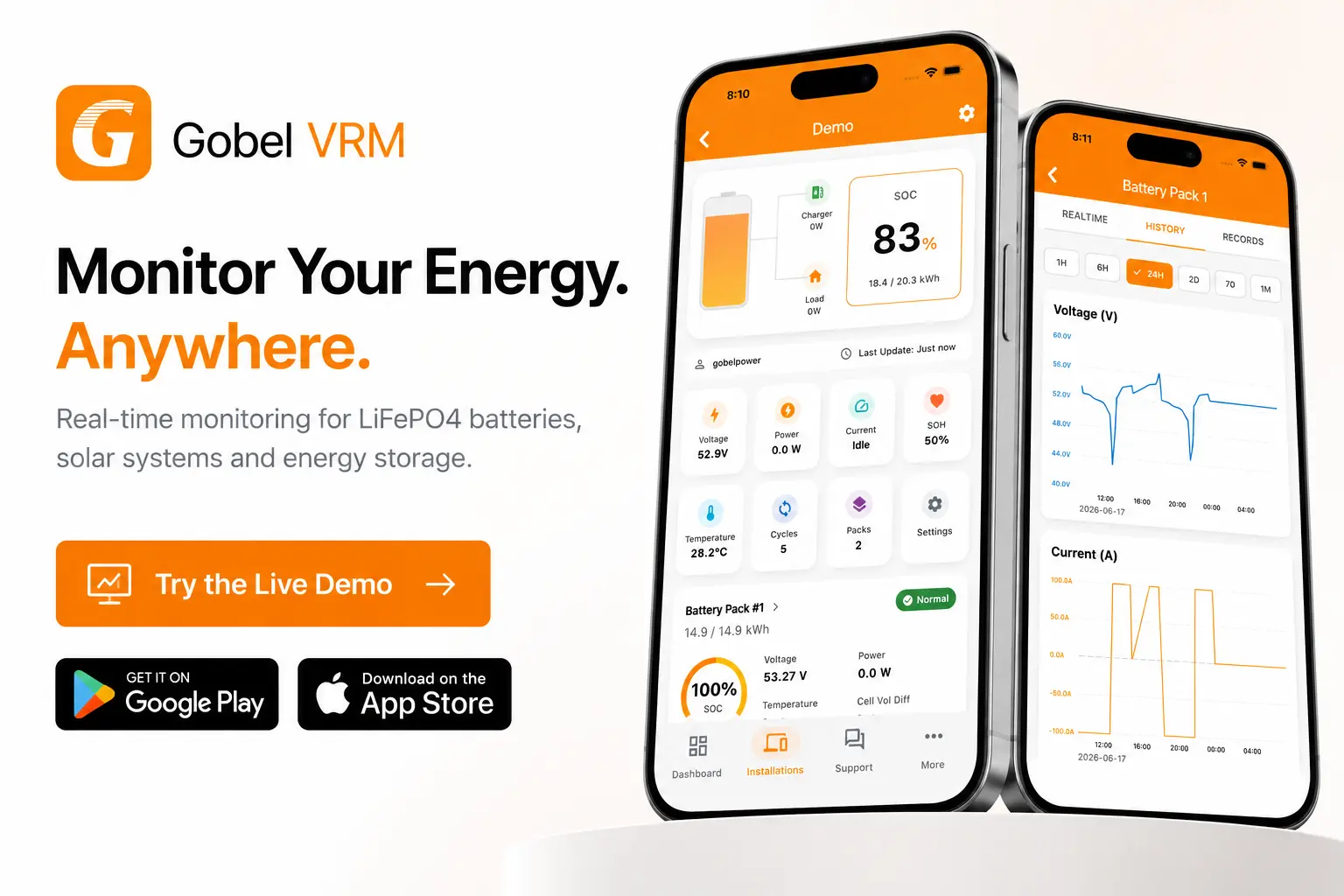
The first week was mostly about watching the monitoring app. I kept checking the state of charge like it was a new pet. On sunny days, the battery reached full capacity before lunch, then powered our refrigerator, Wi-Fi equipment, lights, and television through the evening. We still used grid electricity occasionally, but our peak-hour consumption dropped noticeably. My monthly bill fell from about $185 to between $105 and $120, depending on the weather. That saving has been more useful to me than impressive efficiency numbers on a brochure.
The most practical benefit is not having to think about every appliance. I can cook dinner, run the dishwasher, and use the heat pump without feeling that every kilowatt-hour is expensive. The solar battery storage system handles those short evening bursts smoothly, and I usually wake up with roughly 25–35% remaining.
I did have one minor troubleshooting moment. After a firmware update, the battery stopped discharging overnight. The app showed “standby,” even though the charge level was healthy. I power-cycled the inverter, waited five minutes, and checked the time-of-use schedule. The update had reset the discharge window. Re-entering the 4 p.m. to 10 p.m. schedule fixed it immediately.
After using this setup through summer and winter, I would not call the battery a magic bill eliminator. Cloudy weeks still require grid power, and the upfront cost matters. However, reliable backup power, lower peak rates, and quieter daily operation make my home solar system feel much more useful.