 Europe Warehouse Stock

10 kw solar battery price
Lithium Battery Supplier-

Gobel PowerThor 5000 5kWh Solar Home Inverter Battery Germany Designed
36% OFF Ship from China €856.80
-

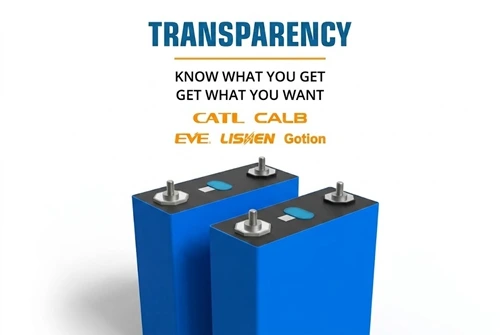
EU Stock EV Grade HSEV EVE 3.2V 314Ah MB31 Rechargeable LiFePO4 Battery Cell
11% OFF Ship from China Get Price
-

Cornex Grade A 3.2V 314Ah Rechargeable LiFePO4 Battery Cell
Ship from China €61.20
-
EU Stock Gobel PowerThor 5000 5kWh Solar Home Inverter Battery Germany Designed
Ship from China €989.10
-

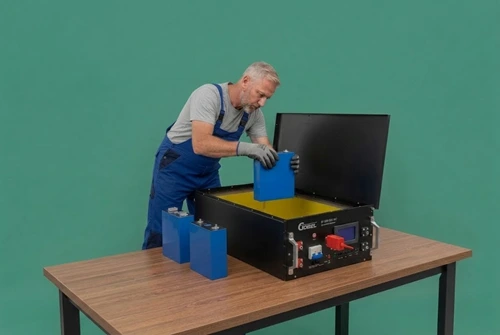
Gobel Project X 628 LiFePO4 Battery DIY Kit for EVE MB56 628Ah LiFePO4 Cells
Ship from China €540.00
-

Grade A EVE 3.2V 356Ah LF356L Rechargeable LiFePO4 Battery Cell
Ship from China €64.80
-

Grade A EVE MB31 3.2V LiFePO4 314Ah LiFePO4 Baterie Cell for Energy Battery Storage
7% OFF Ship from China €66.60
-

EU Stock Gobel Project X 314 16kWh LiFePO4 Battery DIY Kit
Ship from China €504.00


-

Solution Solar Battery DIY Parts -

Solution Solar Inverter
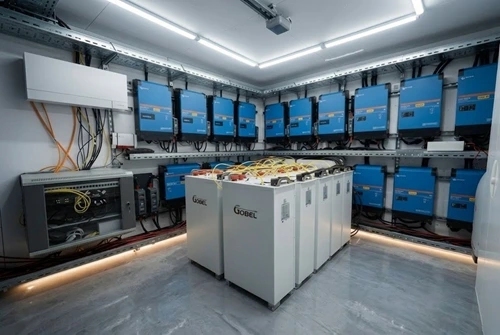
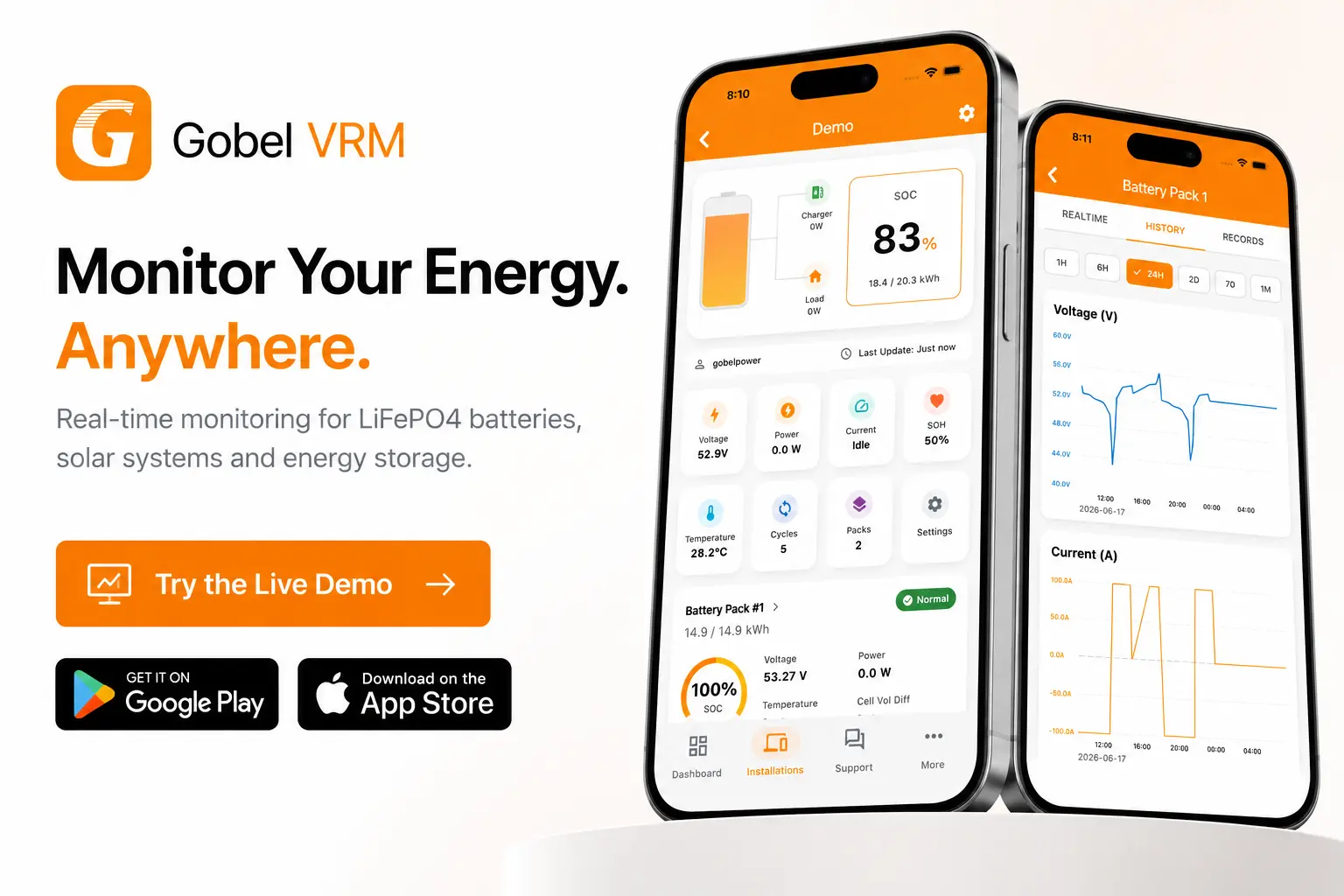
0n my first week with a 10 kW solar battery, I kept checking the app like a teenager checking exam results. The unit sits against the garage wall, and the installation team finished in one afternoon, including the hybrid inverter and backup switch. I had already compared the 10 kw solar battery price across several brands, but the final quote made more sense once I included permits, cabling, and a proper electrical inspection. My main reason was peak-hour savings rather than emergency backup.
During the day, my rooftop solar panels charge the battery first; any extra goes to the grid. At around 4:30 p.m., the system stops drawing from the grid and starts running the refrigerator, lights, router, and heat-pump water heater from stored energy. When electricity rates jump after dinner, I am usually using battery power instead of buying expensive utility electricity. That change has cut my evening consumption from roughly 8 to 1–2 kWh on sunny days. Before installation, my monthly bill averaged about $180 in summer. Now it is generally $95 to $115, depending on cloudy weather and air-conditioning use.
The most useful feature has been the battery reserve setting. I keep 25% locked for outages, so I am not tempted to drain it completely just to save a few cents. One evening, the app showed a warning that charging had stopped, even though the panels were producing. I checked the breaker and found the battery isolator had tripped after a brief storm. After switching it off, waiting a minute, and resetting it, charging resumed normally; the installer later tightened a connection and updated the firmware. That small hiccup was reassuring because it was easy to diagnose and did not require a service visit.
After six months, I am happiest with how boring the system feels. It quietly shifts loads away from peak periods, and I rarely think about it. I would not oversize it; matching usable capacity to evening demand has been enough. Warranty, efficiency, and installer support matter more than solar battery cost.