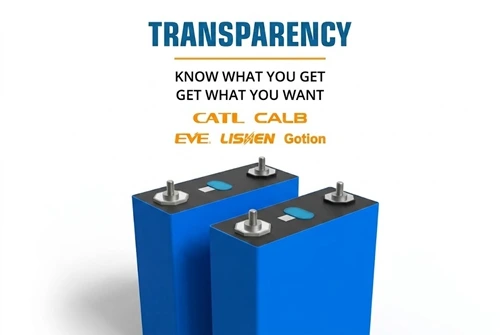
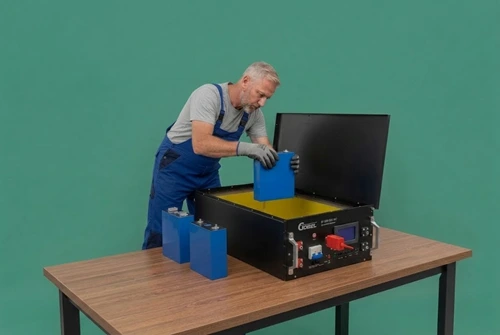
 Europe Warehouse Stock
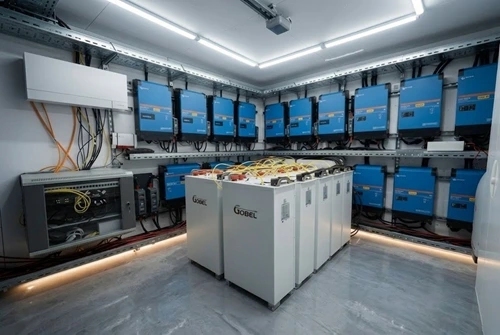

home solar system with battery storage
Lithium Battery Supplier-

Gobel Power GP-PB2-JK280 51.2V 280Ah 15kWh LiFePO4 Battery
Ship from China Get Price
-

Project Zeta 356 51.2V EVE 356Ah 18kWh DIY Battery Cell Kit with JK BMS WIFI Function
Ship from China US$1,592.00
-

48V 314Ah 16kWh LiFePO4 Battery Backup for Home
Ship from China Get Price
-

EU Stock EV Grade HSEV EVE 3.2V 314Ah MB31 Rechargeable LiFePO4 Battery Cell
11% OFF Ship from China Get Price
-

EU Stock Cornex Grade A 3.2V 314Ah Rechargeable LiFePO4 Battery Cell
11% OFF Ship from China US$76.50
-

EU Stock EVE MB56 3.2V 628Ah LiFePO4 Battery Cell 8000 Cycles
Ship from China US$146.00
-
EVE MB56 3.2V 628Ah LiFePO4 Battery Cell for Solar Battery Energy Storage
Ship from China US$126.00


-

Solution Solar Inverter -

Solution Solar Battery DIY Parts
Owning a home solar system with battery storage has changed the way I think about electricity, although the biggest difference showed up in my evening routine rather than on the installation day.
Before the battery, my rooftop panels sent excess power back to the grid during the afternoon, then I bought electricity back after dinner at the expensive peak rate. My utility bill was usually highest between 4 and 9 p.m. Now, the solar battery charges from midday production and runs the house through that window. I set the battery to reserve 25% for outages, so I still have a little backup overnight.
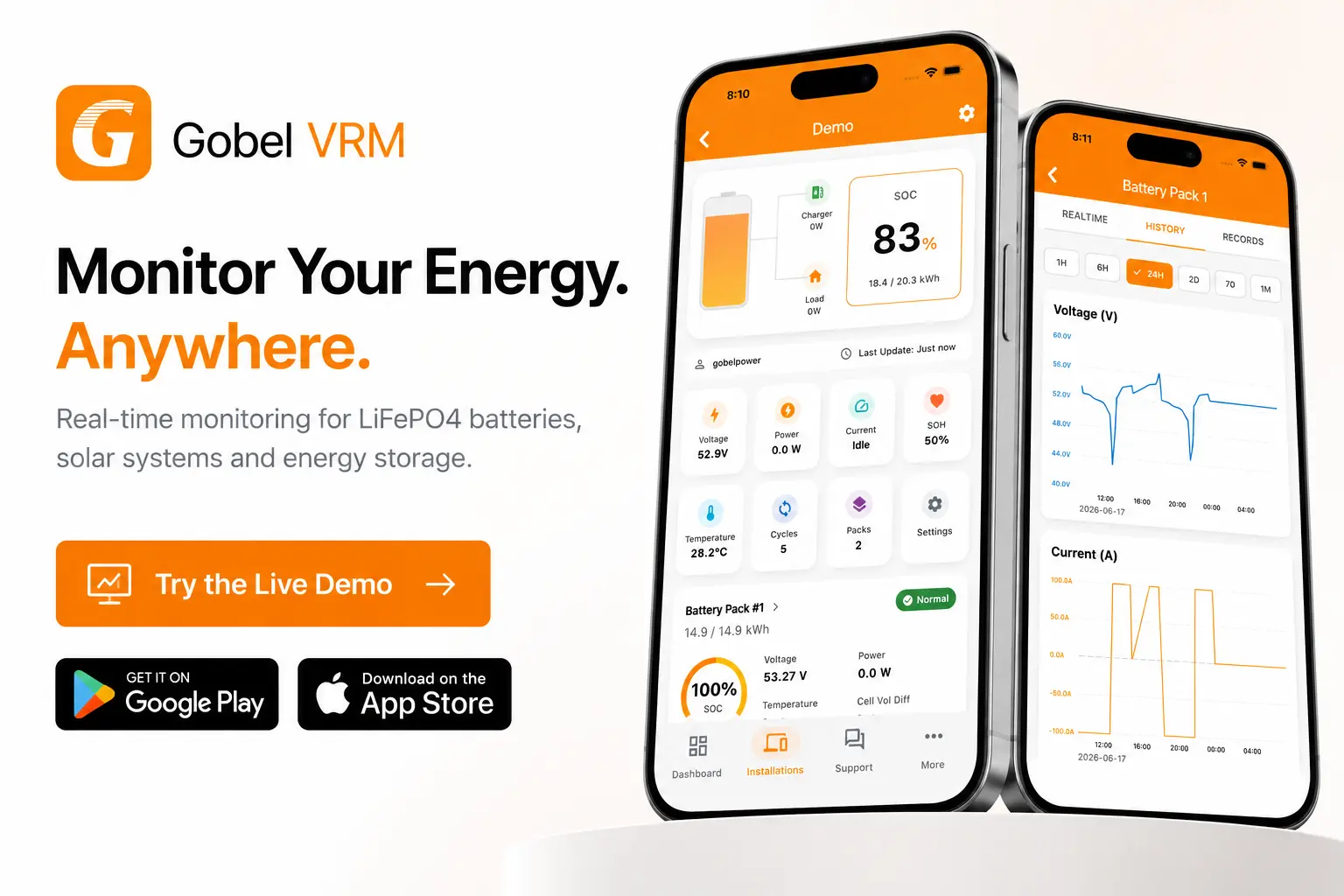
The savings are not dramatic every day, because cloudy weather and winter production limit what the panels can collect, but the pattern is clear. My first full month with the battery was about $68 less than the same month the year before, despite using more power for a new chest freezer. On sunny weeks, I have watched the monitoring app show grid consumption dropping almost to zero after sunset. That is surprisingly satisfying.
I did have one minor troubleshooting moment in January. The battery stopped discharging at 6:30 p.m., even though the app showed plenty of stored energy. I power-cycled the inverter, checked the backup setting, and discovered an automatic firmware update had paused operation. After the update finished, everything returned to normal. I would call that a serious failure, but it reminded me that a solar battery is still electronic equipment, not a magic box.
I check battery status weekly and keep notifications enabled. For my household, the best benefit is predictable peak-hour savings and backup power without changing our habits. It simply uses more of the solar energy we already make. That makes the upfront cost feel worthwhile, especially when utility rates jump during summer evenings.