 Europe Warehouse Stock

akumulator
Lithium Battery Supplier-

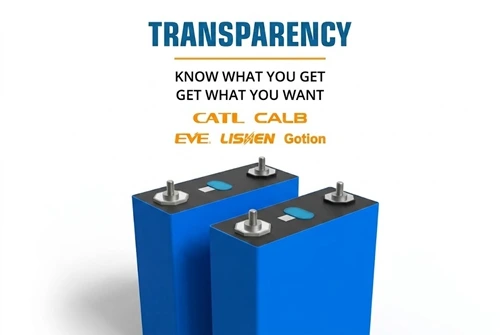
EU Stock Cornex Grade A 3.2V 314Ah Rechargeable LiFePO4 Battery Cell
11% OFF Ship from China US$76.50
-

EU Stock PowerFable 16 Server Rack Battery 16kWh for Home Backup
Ship from China US$2,239.00
-

EU Stock Gobel PowerThor 5000 5kWh Solar Home Inverter Battery Germany Designed
Ship from China US$1,099.00
-

REPT 3.2V 392Ah LiFePO4 Energy Storage Battery Cell
Ship from China Get Price
-

Grade A EVE 3.2V 314Ah MB31 Rechargeable LiFePO4 Battery Cell
12% OFF Ship from China US$70.00
-

Gobel Power 51.2V 15kW Stackable LiFePO4 Battery
Ship from China Get Price
-

EVE MB56 3.2V 628Ah LiFePO4 Battery Cell for Solar Battery Energy Storage
Ship from China US$126.00


-

Solution LiFePO4 Battery Cell -

Solution Solar Inverter
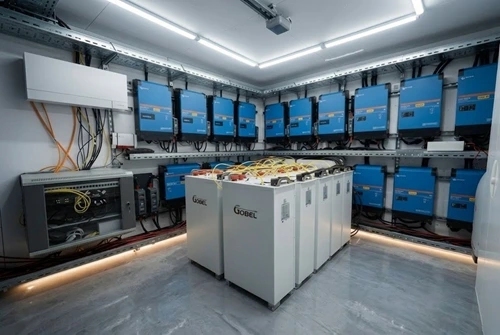
Keeping our solar battery system running through last summer changed how I think about electricity at home. Before installing the 10kWh storage unit, I watched daytime power flow to the grid, then paid for electricity every evening. Now the inverter sends excess rooftop generation into the battery for nighttime use.
The biggest difference appears during peak hours. Our utility charges more between four and nine p.m., when dinner, laundry, and showers happen. I used to schedule appliances carefully. Now I set a discharge schedule and let the household run normally, drawing almost nothing from the grid during those expensive hours.
My monthly bill has fallen from roughly $185 to $112, although weather and utility rates vary. The savings are not dramatic every month; cloudy weeks still require grid electricity, and winter heating consumes more than summer cooling. Still, seeing $60 stay in my pocket each month makes the battery worthwhile.
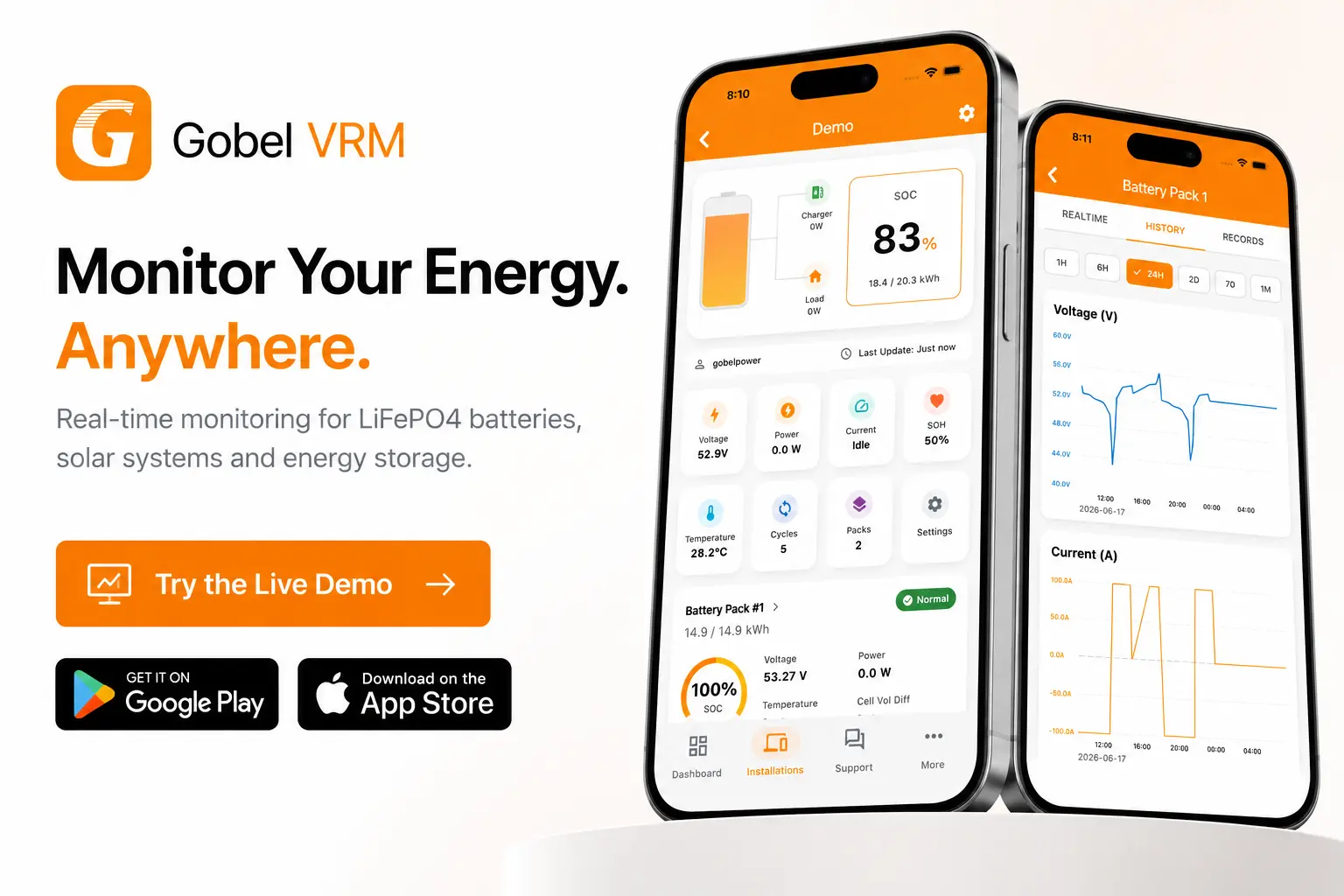
I had one troubleshooting moment during the first month. One morning, the battery showed a communication warning and stopped discharging. I checked the app, restarted the gateway, and discovered the Wi-Fi router had updated overnight. After reconnecting it, the inverter and battery began working within minutes. No service call was needed.
Since then, the system has been pleasantly boring. I check the state of charge with my coffee, but rarely touch anything. On sunny days, akumulator reaches capacity before lunch; on cloudy days, I reserve energy for lights, refrigerator, internet, and evening cooking. I keep twenty percent in reserve for outages.
What I appreciate most is the change in our routine. We no longer wait for sunshine to use solar power; we use it when costs most. The installation was not cheap, so I am measuring payback rather than assuming savings. Lower peak-hour consumption and backup make this storage system worthwhile.