 Europe Warehouse Stock

lifi
Lithium Battery Supplier-

Gobel Power 51.2V 100Ah GP-SR3-PC100 LiFePO4 Server Rack Battery
Ship from China US$1,024.00
-

Gobel Power GP-SR1-JK314 Standard 51.2V 314Ah 16kWh LiFePO4 Server Rack Battery
Ship from China US$2,204.00
-

Gobel Power 51.2V 600Ah 30kWh Server Rack LiFePO4 Battery
Ship from China Get Price
-

High Voltage Batttery 314Ah HV LiFePO4 Battery DIY Kit
5% OFF Ship from China US$2,968.00
-

Ship from China US$3,570.00
-

Gobel Power THOR 5000 5kWh Solar Home Inverter Battery Germany Designed
36% OFF Ship from China US$952.00
-

Gobel Power Project X LiFePO4 Battery DIY Kit
Ship from China US$500.00
-

EVE MB56 3.2V 628Ah LiFePO4 Battery Cell for Solar Battery Energy Storage
Ship from China US$126.00
-

Gobel Power GP-SR1-PC314 Premium 51.2V 314Ah 16kWh LiFePO4 Server Rack Battery
Ship from China US$3,430.00
-

Gobel Power PC200B 51.2V LiFePO4 Battery Case DIY Kit With 314Ah Cells
Ship from China US$1,638.00
-

EU Stock Grade A EVE 3.2V 314Ah MB31 Rechargeable LiFePO4 Battery Cell
Ship from China US$78.00
-

Solution Solar Inverter -

Solution Solar Battery DIY Parts
I installed a home battery last autumn, mostly because our utility’s evening rates had become painful. The solar panels were already on the roof, but I used to send much of their midday power back to the grid for a modest credit, then buy electricity after sunset. I wanted to shift that energy into the hours when we actually needed it, not chase total independence.
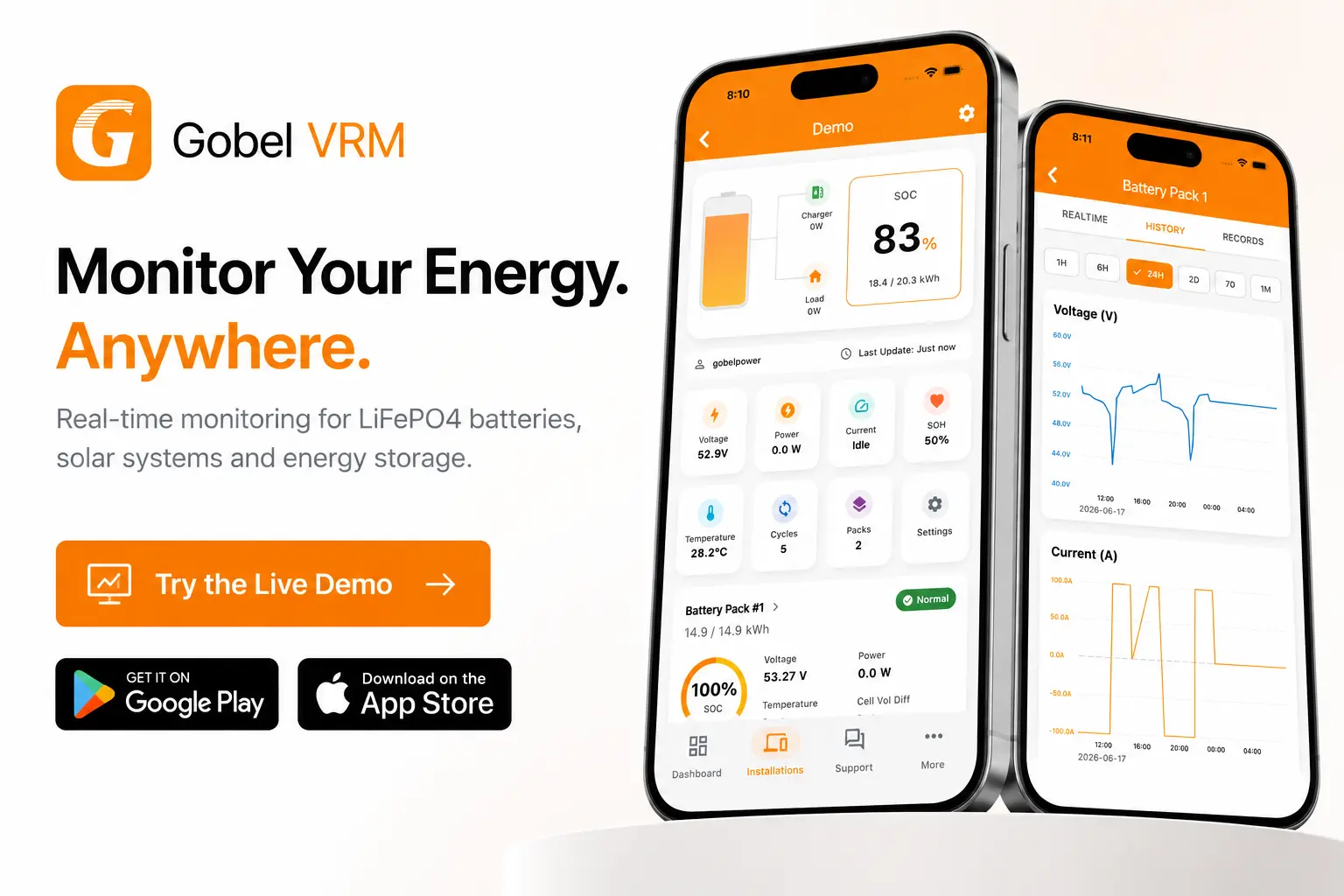
The difference I notice most is between dinner and bedtime. The battery charges from excess solar during the day, then supplies the kitchen lights, television, refrigerator, and sometimes the dishwasher in the evening. I can see the grid import drop on the app, which is satisfying, though I don’t treat every little number as a guaranteed saving. On cloudy days the battery fills less, and we still draw from the grid; on sunny days it often carries us well into the night. That everyday pattern matters more to me than a big headline about backup power.
One small surprise was learning to adjust the reserve setting. I had left it high because I thought keeping more charge in reserve was sensible, but that meant less capacity was available for normal evening use. After checking the manual, I lowered it a little, while still leaving enough backup for short outages. I also learned not to read too much into a single day’s bill: weather, cooking, and laundry all change the result. A search for lifi lighting sent me down an unrelated rabbit hole, but the useful figures are battery state of charge and household import.
After months, the savings show up as a lower evening-use charge rather than a dramatic bill disappearing. I’m happy with that: it makes the solar I own more useful, and the routine feels uncomplicated. I’d make the same choice for us again.