Europe Warehouse Stock

.png)
-
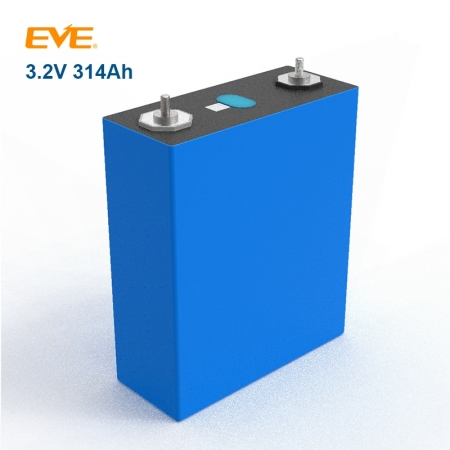
Grade A EVE 3.2V 314Ah MB31 Rechargeable LiFePO4 Battery Cell
12% OFF Ship from China US$70.00
-
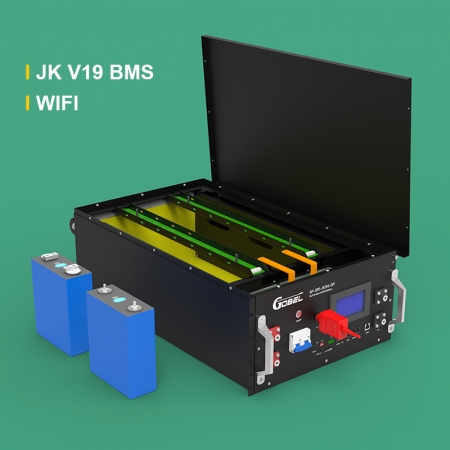
51.2V 16S LiFePO4 Battery Pack DIY Kit Case with JK BMS WIFI Function
Ship from China US$458.00
-
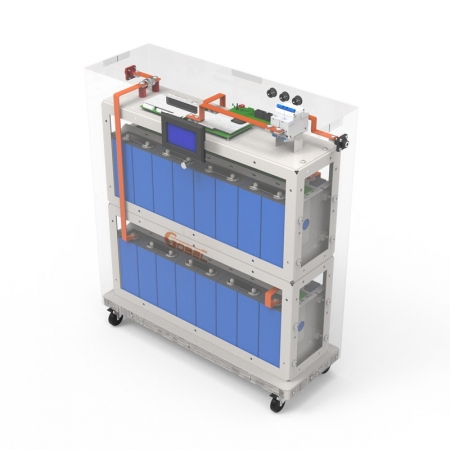
Gobel Power Project X LiFePO4 Battery DIY Kit
Ship from China US$500.00
-
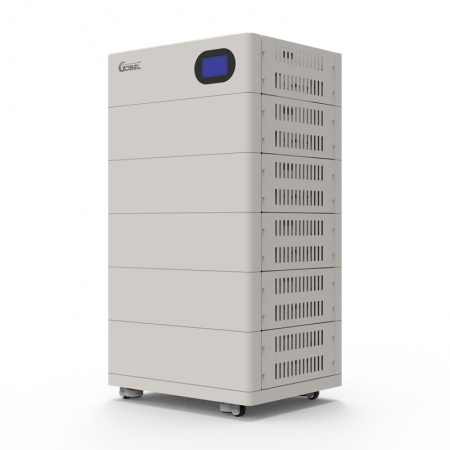
Gobel Power 51.2V 15kW Stackable LiFePO4 Battery
Ship from China US$2,624.00
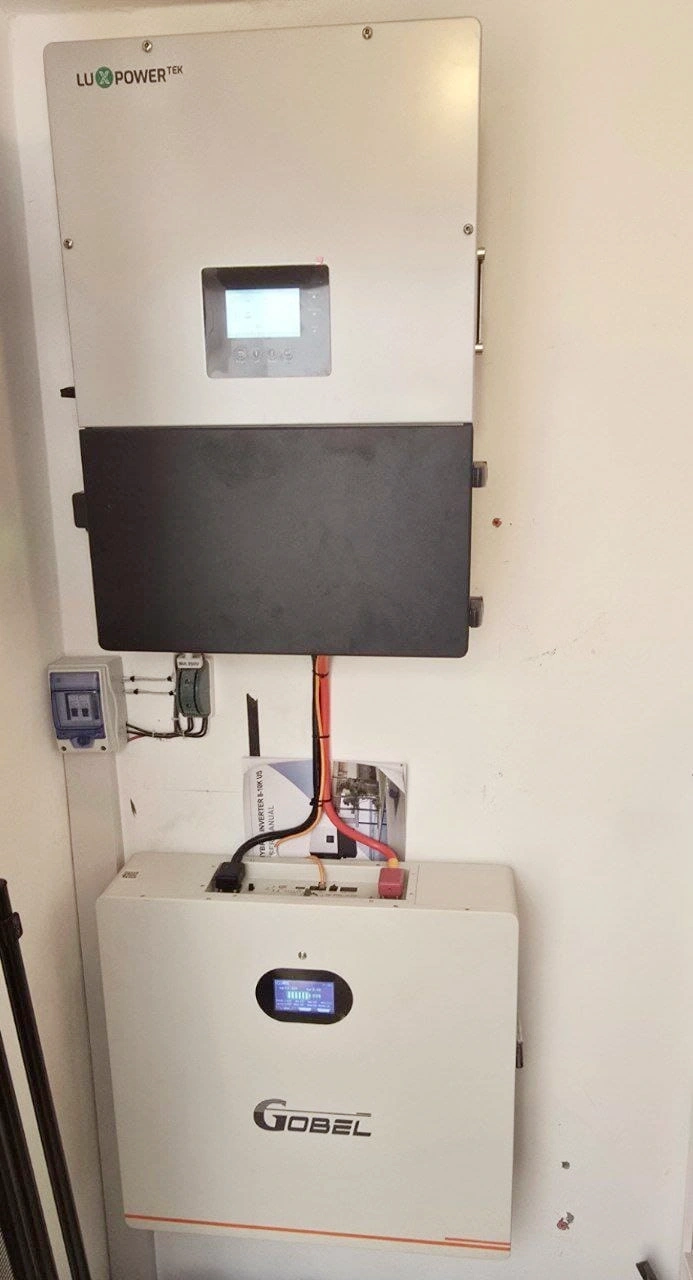
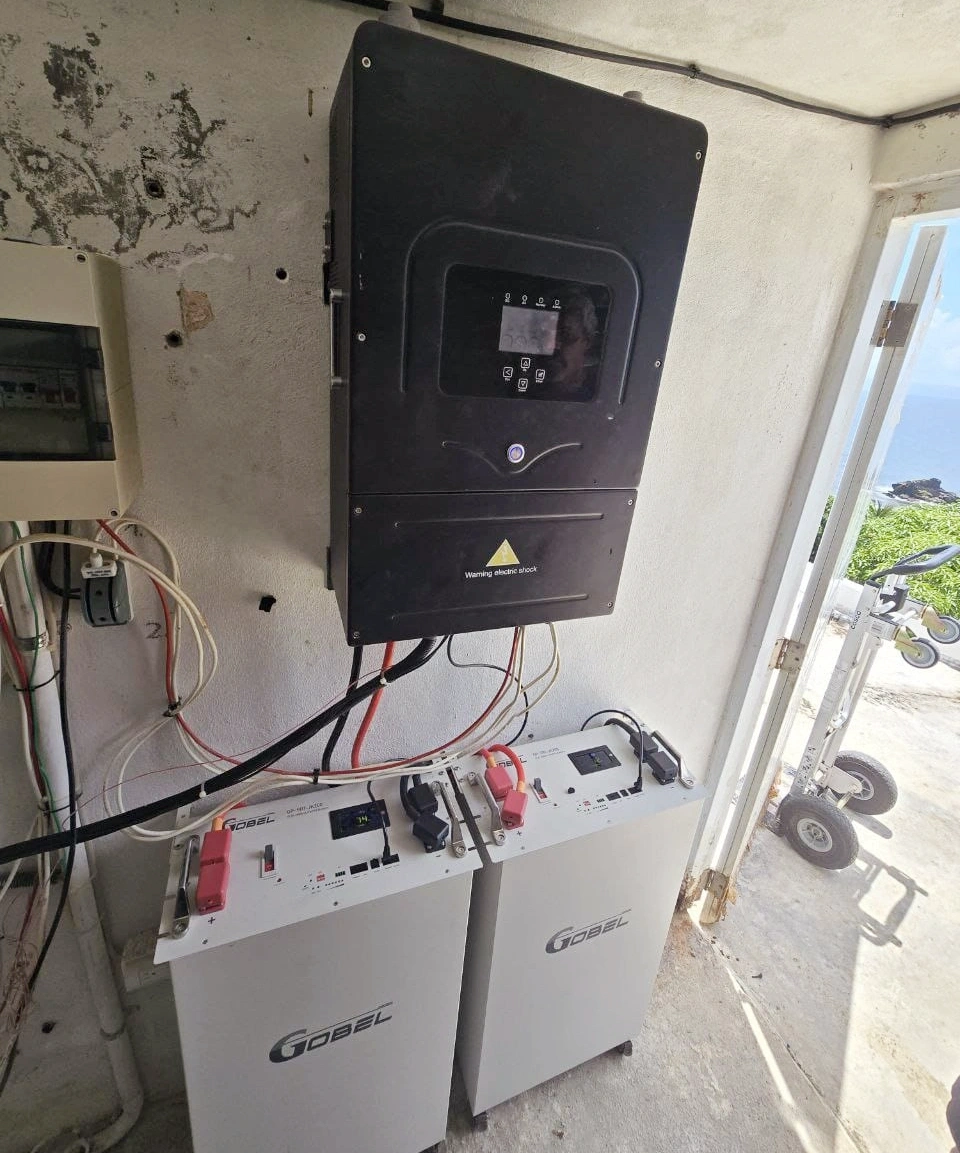
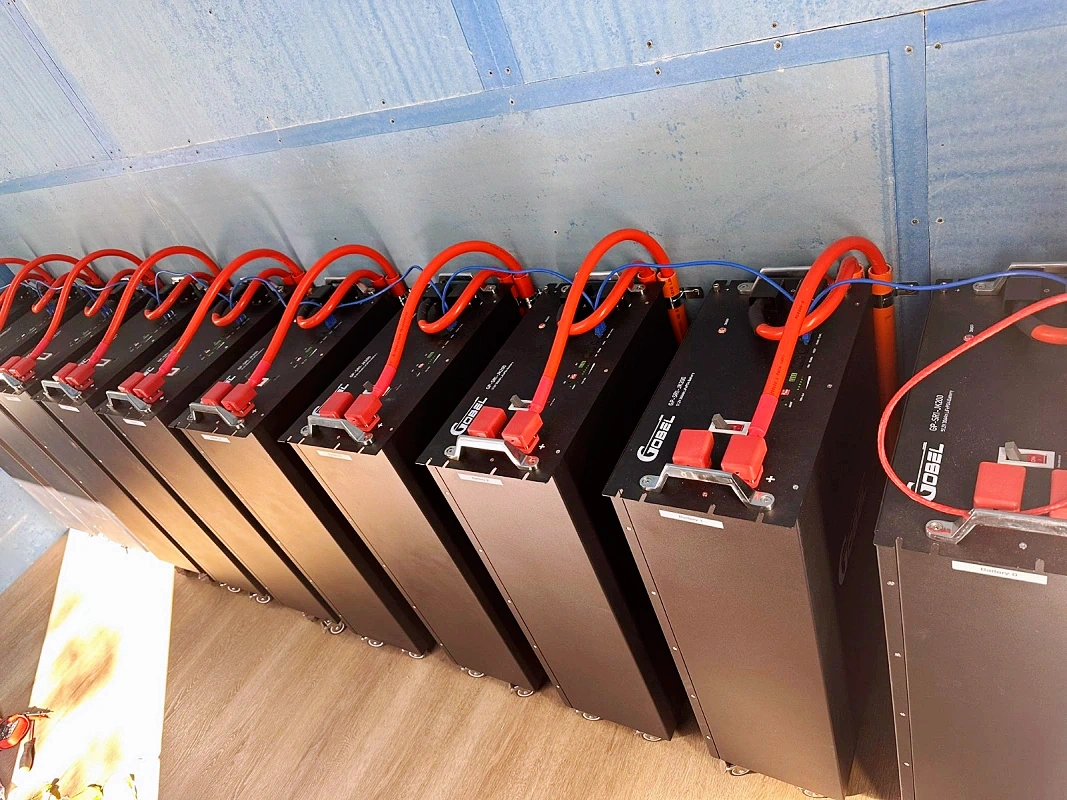
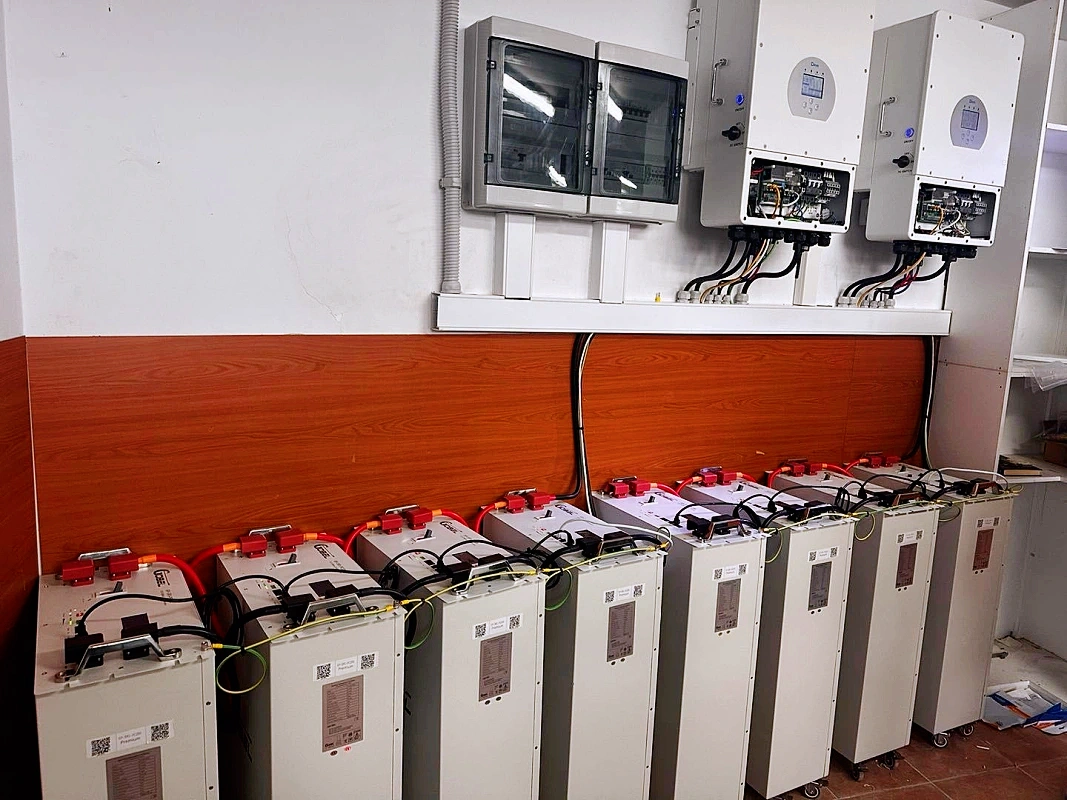
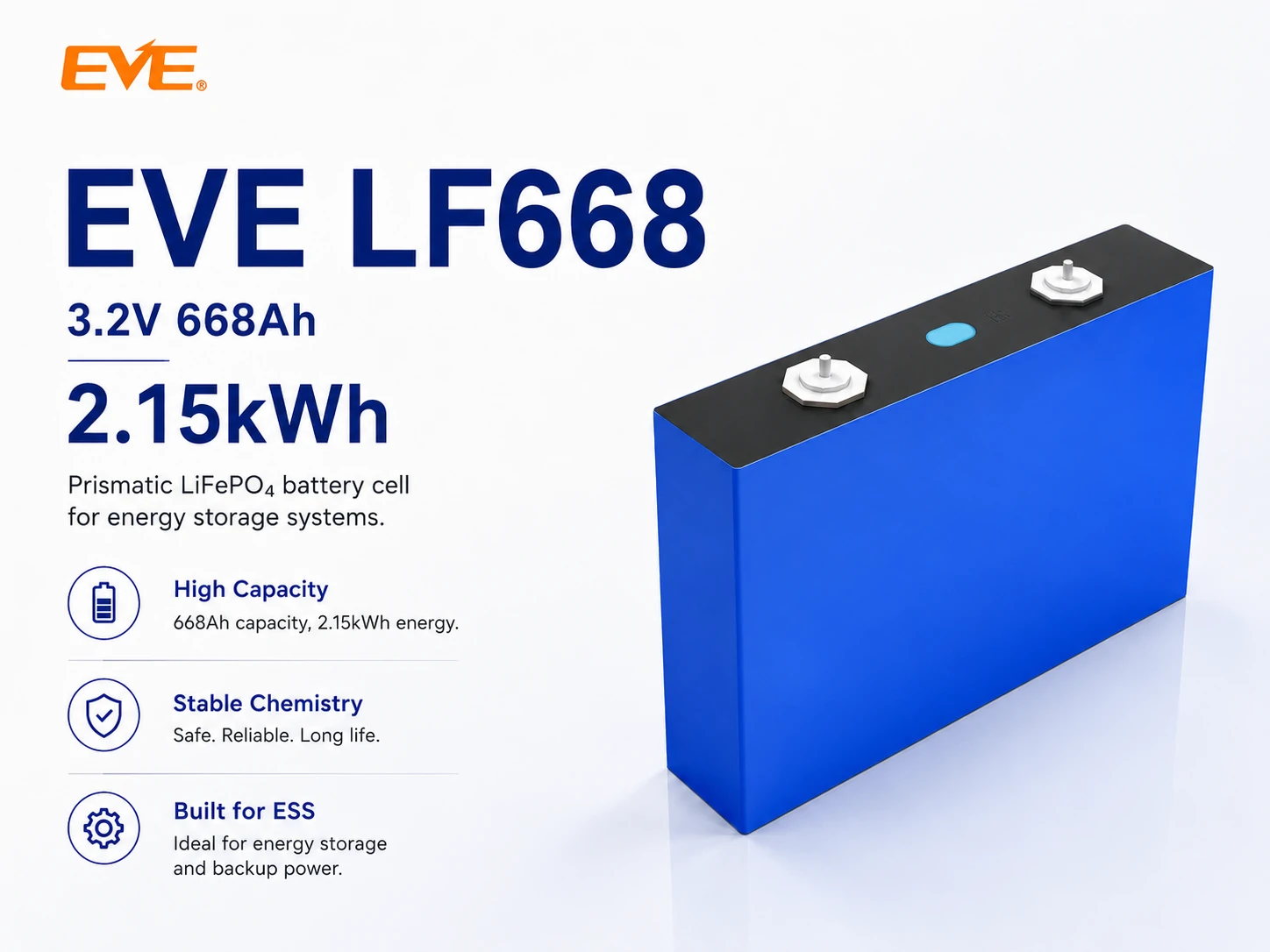
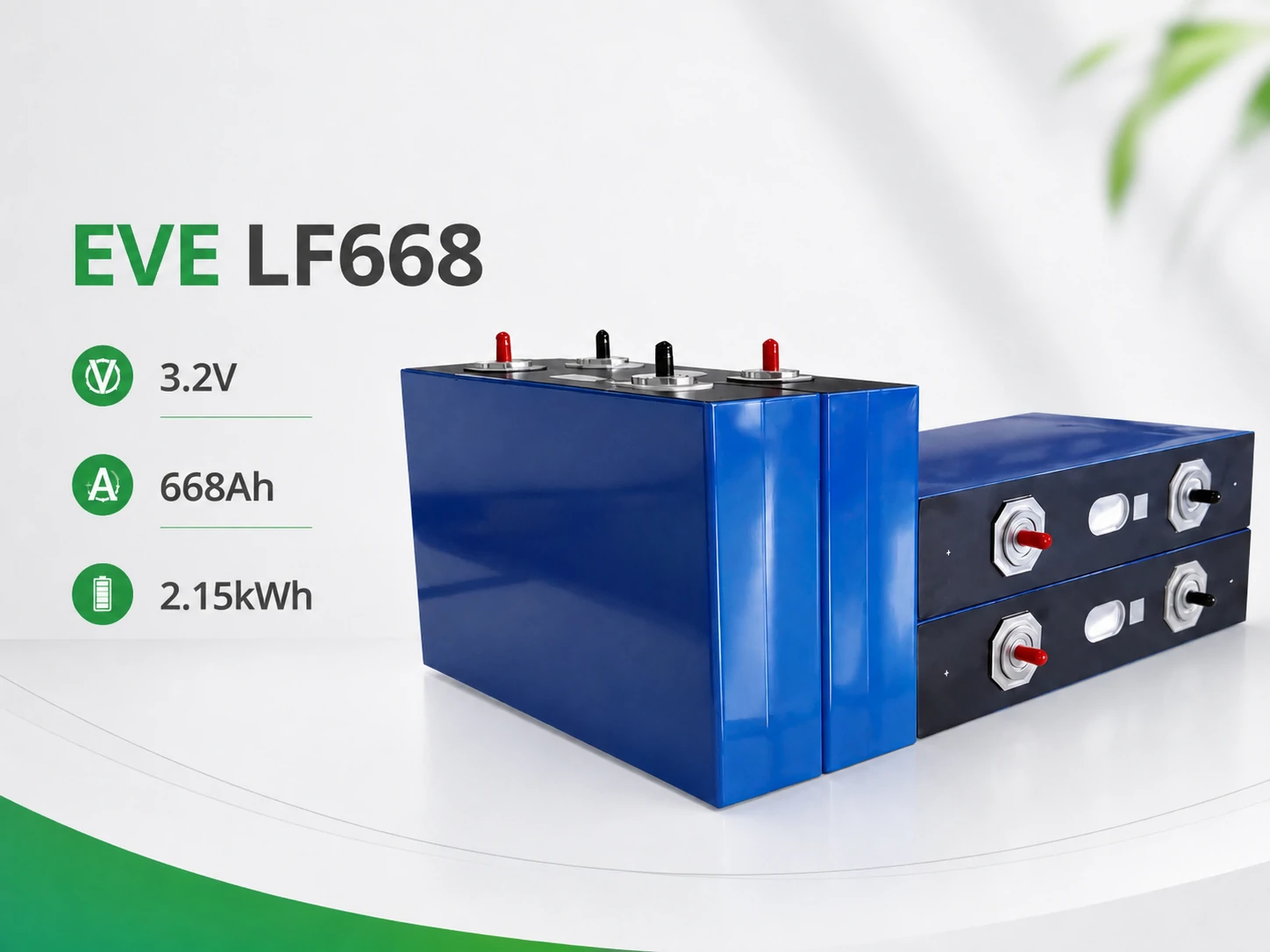
2.15kWh. One cell.
Double the capacity. Half the build.
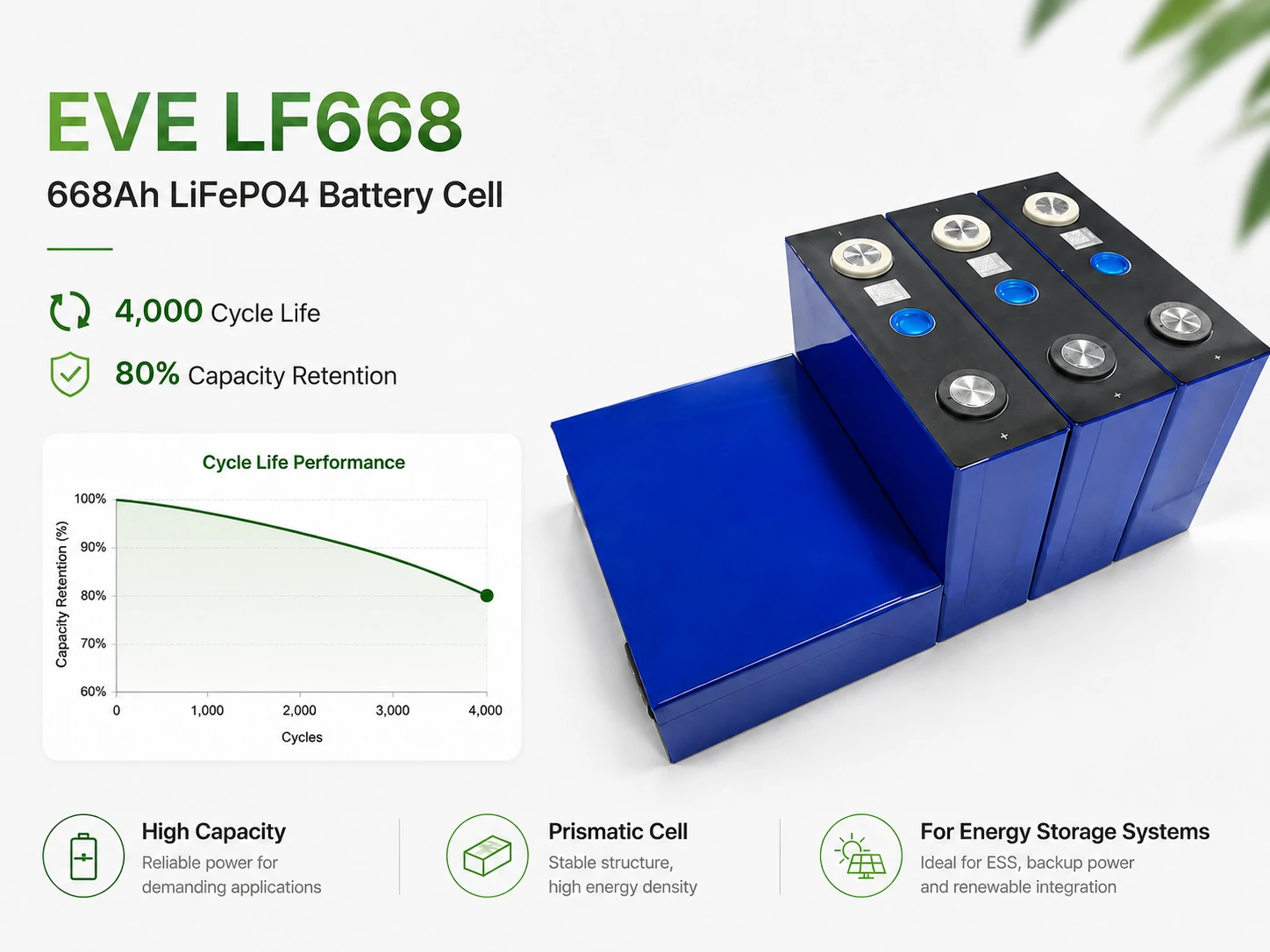
The EVE LF668 is a 668Ah prismatic LiFePO4 battery cell — twice the energy of a standard 314Ah cell. Build a 16S pack and get about 34kWh instead of 16kWh, with half the cells, half the busbars, and half the failure points. HSEV-, brand new, and matched by Gobel Power for uniform voltage and internal resistance.
668Ah in one cell.
34kWh from a 16S pack.
A single EVE LF668 stores 2.15kWh — more than two standard 314Ah cells combined. That means a 16S pack delivers roughly 34kWh of LiFePO4 energy storage instead of 16kWh, in the same cell count. Fewer cells, fewer welded connections, fewer points of failure. Lower balance-of-plant cost. Higher system reliability. It’s why the LF668 is becoming the default cell for large-format DIY packs and multi-megawatt ESS builds.
- 668Ah nominal capacity, 2.15kWh energy per cell — double a standard 314Ah LiFePO4 cell
- 16S pack delivers ~34.2kWh at 51.2V — build bigger with the same cell count
- Compact 352.2 × 71.7 × 206.7mm prismatic format — 11.26kg per cell
- Half the busbars and weld points of a 314Ah build — fewer connections, fewer failures
- Lower levelized cost of storage (LCOS) for grid-scale and commercial energy storage systems
HSEV-.
Every cell new. Every cell matched.
These aren’t recycled pulls or B-stock. Gobel Power sources brand-new, HSEV- EVE LF668 cells and matches each batch for uniform voltage and internal resistance before shipping. The result is a pack that charges and discharges evenly from the first cycle — no weak-cell drift, no premature capacity loss, no lottery. With AC impedance of just ≤0.10mΩ, these cells convert and deliver energy with minimal loss.
- HSEV- classification — brand new, factory-fresh EVE LF668 prismatic LiFePO4 cells
- Matched for uniform voltage and internal resistance — packs stay balanced cycle after cycle
- Authentic EVE cells from EVE Energy Co., Ltd. — established 2001, a top global lithium battery manufacturer
- ≤0.10mΩ AC impedance — ultra-low resistance for efficient energy conversion
- 5-year manufacturer warranty backing every HSEV- cell
4,000 cycles. Low resistance.
Wide temperature range.
The EVE LF668 is rated for 4,000 charge-discharge cycles — over 10 years of daily cycling before you reach 80% state of health. Charge at 1C, discharge continuously at 0.5C (that’s 334A from a single cell), with a 3.65V charge ceiling and 2.5V cut-off protecting the chemistry. And it keeps working where other cells fade: discharge from −35°C to +65°C, charge from −10°C to +65°C.
- 4,000 charge-discharge cycles — daily cycling for over 10 years to 80% state of health
- ≤0.10mΩ AC impedance — minimal resistive loss, more usable energy per cycle
- Discharge from −35°C to +65°C, charge from −10°C to +65°C
- 3.65V charge cut-off / 2.5V discharge cut-off — conservative voltage window protects cell life
- 1C charge, 0.5C continuous discharge (334A) — serious power throughput for a single cell
One 668Ah LiFePO4 cell.
Every energy storage build.
From a DIY 48V home battery to a multi-megawatt grid ESS — the EVE LF668 prismatic cell is the building block for packs of any size, in any series-parallel configuration.
Build bigger. Use fewer cells.
The EVE LF668 makes it simple.
668Ah of HSEV- LiFePO4 in a single prismatic cell. 4,000 cycles. Whether you’re assembling your first DIY 48V pack or engineering a multi-megawatt grid energy storage system, the EVE LF668 halves your cell count and doubles your build — with the matched, factory-fresh cells Gobel Power ships, and a 5-year warranty behind every one.
- Manufacturer:
- EVE
- Model No.:
- EVE LF668
- Typical Voltage:
- 3.2V
- Typical Capacity:
- 668Ah
- AC Impedance Resistance:
- ≤0.10mΩ
- Life Cycle:
- 4000
- Standard Charge/Discharge Current:
- 1C/0.5C
- Standard Charge Cut-off Voltage:
- 3.65V
- Standard Discharge Cut-off Voltage:
- 2.5V
- Continuous Charge/Discharge Current:
- 1C/0.5C
- Pulse Charge/Discharge Current (60s):
- 2C/2C
- Recommended SOC Window:
- 15%~40%
- Charging Working Temperature:
- -10℃~65℃
- Discharging Working Temperature:
- -35℃~65℃
- Self Discharging Rate:
- <3%
- Short Term Storage Temperature (< 1 Month):
- -20℃~45℃
- Long Term Storage Temperature (< 1 Year):
- 0℃~35℃
- Storage Moisture:
- <60%
- Cell Dimension:
- 352.2*71.7*206.7mm
- Cell Weight:
- 11260g
- Certification:
- UL, IEC, UN38.3
- Warranty:
- 5 Years
No, you should never mix battery cells with different capacities in either series or parallel configurations. Doing so will lead to severe performance degradation, cell imbalance, and safety risks.
Here is why, using 668Ah and 314Ah cells as an example:
1. In Series Configuration
When connected in series, the exact same current flows through all cells. During discharge, the smaller 314Ah cell will deplete completely while the 668Ah cell still has 354Ah of remaining capacity.
- This causes the 314Ah cell to over-discharge and trigger the BMS under-voltage protection, prematurely shutting down the entire battery pack and rendering the remaining energy in the 668Ah cell unusable.
- During charging, the 314Ah cell will reach full capacity much faster and risk overcharging if individual cell protection is absent or delayed.
2. In Parallel Configuration
When connected in parallel, cells attempt to maintain equal voltage across the bank. Due to differing internal resistance, capacity curves, and chemical dynamics between a 668Ah and a 314Ah cell, current will not distribute proportionally.
- The smaller 314Ah cell may experience disproportionately high charge/discharge current spikes, leading to uneven thermal stress, accelerated cell degradation, and potential thermal runaway risks.
Conclusion: Always use cells of the exact same capacity (e.g., all 668Ah or all 314Ah), brand, chemistry, and production batch when assembling a battery pack.
The standard and maximum charge and discharge specifications for the EVE LF668 668Ah LiFePO4 battery cell (at 25°C ± 2°C) are as follows:
1. Charging Current Specifications
- Standard Charging Current:
- 0% ~ 80% SOC: 1C (668 A)
- 80% SOC ~ 3.5V: 0.8C (534.4 A)
- 3.5V ~ 3.6V: 0.5C (334 A)
- 3.6V ~ 3.65V: 0.1C (66.8 A)
- Maximum Instantaneous Charging Current: 2C (1336 A) (Duration: ≤ 30 s, SOC ≤ 80%)
2. Discharging Current Specifications
- Standard Discharging Current: 0.5C (334 A)
- Maximum Instantaneous Discharging Current: 2C (1336 A) (Duration: ≤ 30 s, SOC ≥ 30%)
In LiFePO4 battery cells, AC-IR (AC Internal Resistance) and DCR (Direct Current Resistance) evaluate resistance under different physical principles, test conditions, and equipment:
1. AC-IR (AC Internal Resistance)
- What it measures: Pure ohmic resistance of the physical cell components (terminals, current collectors, electrolyte, and separators). Because a high-frequency signal is used, electrochemical polarization is bypassed.
- Measurement Method & Equipment: Measured using an AC Battery Resistance Meter (e.g., Hioki 3561 / YR1035+) by applying a small 1 kHz AC current.
- EVE LF668 668Ah Specification Example:
- Initial AC-IR: 0.10 mΩ ± 0.05 mΩ
- Test Condition: 1 kHz AC, 19% ~ 23% SOC (Fresh cell standard).
2. DCR (Direct Current Resistance)
- What it measures: Total real-world operational resistance under load, combining ohmic resistance, charge-transfer resistance, and polarization resistance.
- Measurement Method & Equipment: Measured using a High-Precision DC Battery Cycler / Testing System by applying a heavy DC pulse (e.g., 1C pulse for 10 seconds) and calculating voltage drop via ΔV / ΔI.
- EVE LF668 668Ah Specification Example:
- DCR Rating: ≤ 0.25 mΩ
- Test Condition: 25°C, 50% SOC, 1C discharge pulse for 10 seconds (Fresh cell).
Key Summary Comparison
| Feature / Parameter | AC-IR (AC Internal Resistance) | DCR (Direct Current Resistance) |
|---|---|---|
| Resistance Type | Pure Ohmic Resistance | Ohmic + Polarization + Charge-Transfer |
| Test Signal | 1 kHz High-Frequency AC Signal | Heavy DC Current Pulse (e.g., 1C for 10 s) |
| Testing Equipment | Handheld / Benchtop AC Resistance Meter (e.g., Hioki 3561) | High-Power DC Battery Cycler / Testing System |
| EVE LF668 Value | 0.10 mΩ ± 0.05 mΩ (1 kHz, 19%–23% SOC) | ≤ 0.25 mΩ (25°C, 50% SOC, 1C / 10 s) |
| Typical Purpose | Quick incoming inspection & cell sorting | Dynamic power delivery & thermal simulation |
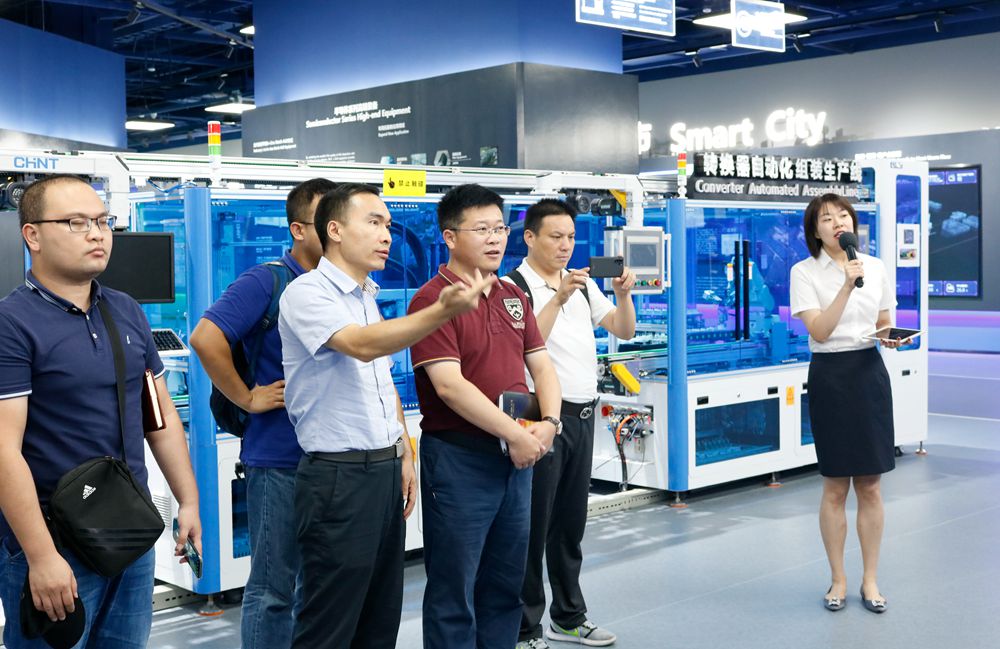
Gobel Power was established in 2012 and is based in Shenzhen, China. Our products and services include wholesaling cylindrical & prismatic LiFePO4 and Lithium Ion battery cells, producing lithium battery packs and providing battery solutions. Our products are mainly used in solar energy storage, electric bikes, electric scooters, electric motorbike, boats, forklifts, sweepers, golf carts, and recreational vehicles.
-
US$10.00
-
US$2.90
-
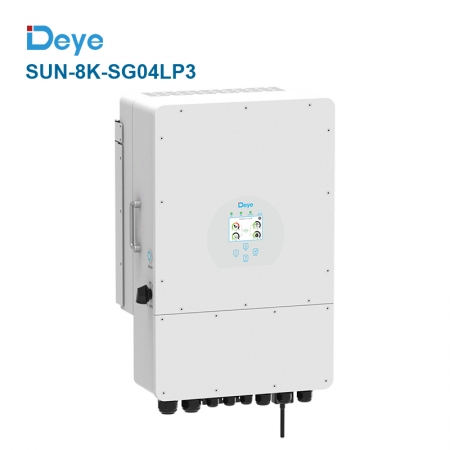
Deye SUN-8K-SG04LP3 8kW 3 Phase 2 MPPT Hybrid Inverter for Low Voltage Battery
From Europe US$0.25
-
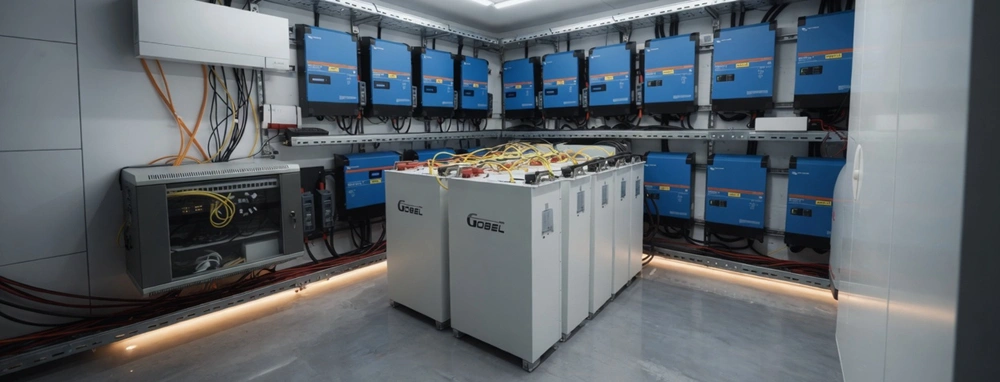
Solution Solar Battery -
Solution Solar Inverter