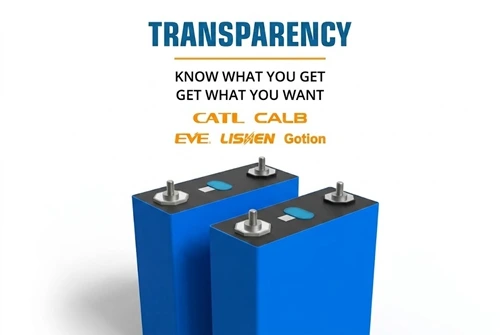
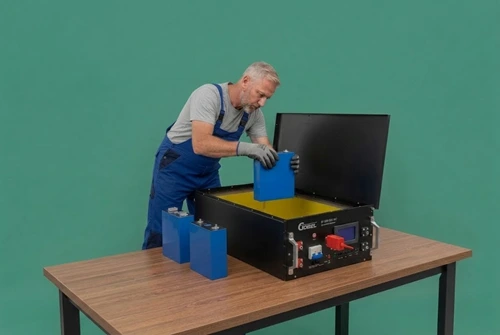
 Europe Warehouse Stock
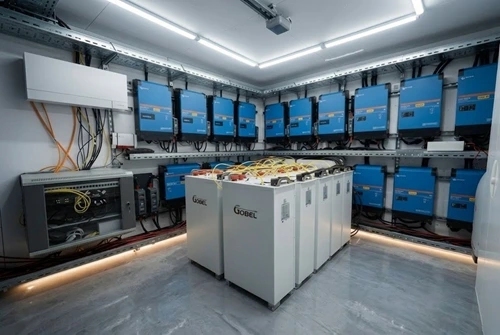

victron quattro
Lithium Battery Supplier-

EU Stock Project Zeta 314 51.2V 16S LiFePO4 Battery Pack DIY Kit Case with JK BMS
23% OFF Ship from China €463.50
-

Project Zeta 356 51.2V 16S 18kWh DIY LiFePO4 Battery Box Kit Case with EVE 356Ah & JK BMS WiFi
Ship from China €412.20
-

PowerCarol 16 51.2V 16kWh Outdoor LiFePO4 Battery IP65
Ship from China Get Price
-

REPT 3.2V 392Ah LiFePO4 Energy Storage Battery Cell
Ship from China Get Price
-

Grade A EVE 3.2V 356Ah LF356L Rechargeable LiFePO4 Battery Cell
Ship from China €64.80
-

Gobel PowerThor 5000 5kWh Solar Home Inverter Battery Germany Designed
36% OFF Ship from China €856.80
-

Grade A EVE 3.2V 314Ah MB31 Rechargeable LiFePO4 Battery Cell
12% OFF Ship from China €63.00
-

EU Stock Gobel Project Zeta 314 DIY Kit with Grade A 314Ah Cells 51.2V LiFePO4 Battery Case
20% OFF Ship from China €1,439.10


-

Solution Solar Battery -

Solution LiFePO4 Battery Cell
I installed my solar battery system last spring, mainly because our electricity bills were getting painful during the evening peak period. We already had rooftop solar, but most of its production happened while we were out at work. By dinner time, the panels were quiet and the house was pulling expensive grid power for cooking, laundry, and heating.
The biggest improvement has been how my battery shifts that energy into the hours when we actually need it. My setup uses a 10 kWh lithium battery with a victron quattro inverter/charger. On a sunny day, the solar panels usually fill the battery by mid-afternoon. After that, the system automatically runs the house from stored energy until the battery reaches my reserve level.
I keep about 25% in reserve rather than draining it completely. That gives us a useful backup during a short outage without sacrificing too much daily savings. Before installing the battery, our evening usage was often the most expensive part of the bill. Now, during summer, we regularly make it through dinner and most of the night without buying much electricity from the grid. Our monthly bill has dropped by roughly 30–40%, although the exact saving depends heavily on the weather and how much heating we use.
One small troubleshooting moment happened during the first month. The battery stopped discharging one evening, even though the monitoring app showed plenty of charge. I eventually found that a battery protection setting had been changed during a firmware update. After restoring the correct settings and restarting the inverter, everything worked normally.
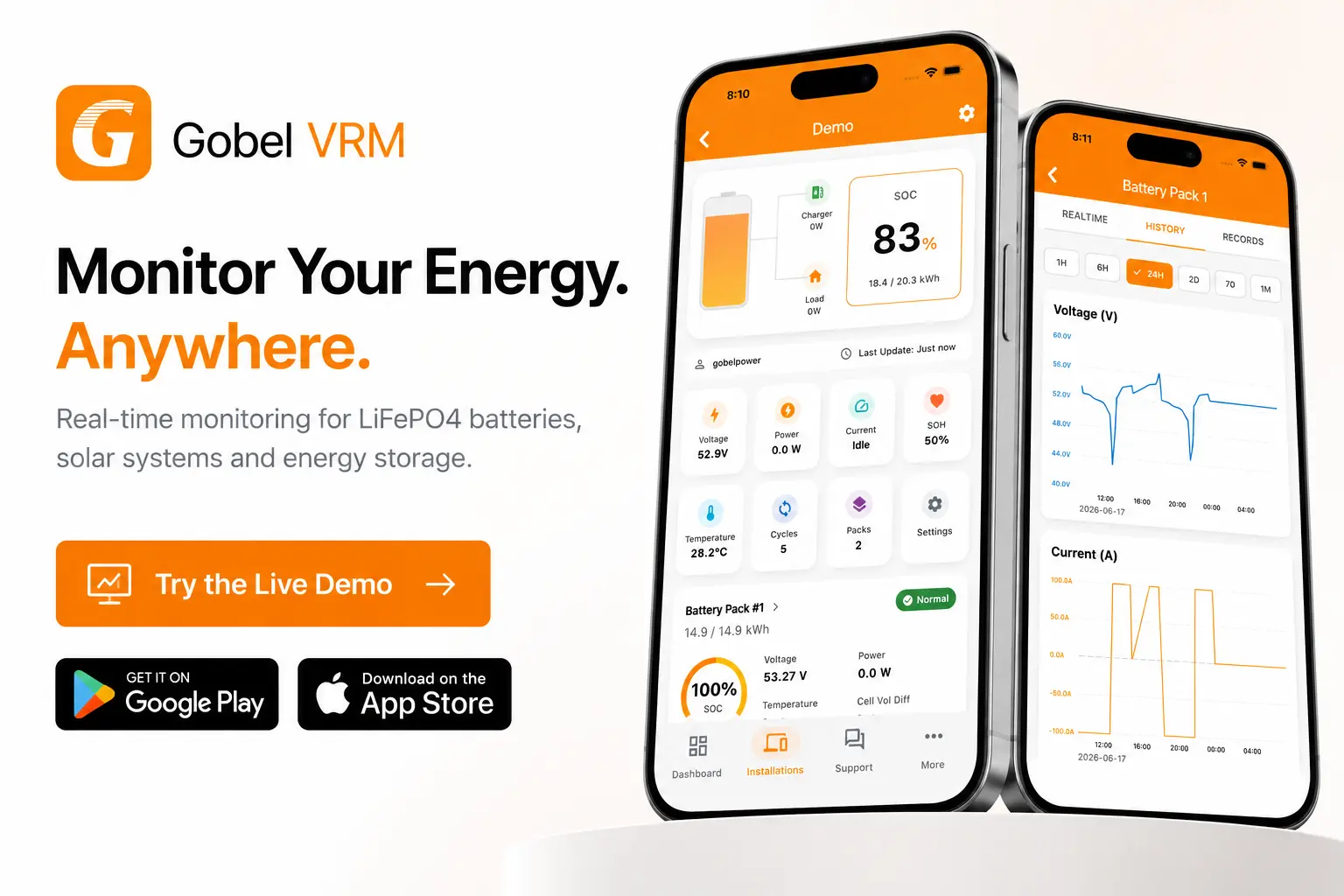
I like the system most when I barely notice it. The energy monitoring app lets me check solar production, battery state of charge, and household consumption, but I rarely need to adjust anything. It has made our renewable energy much more useful, not just greener on paper. The battery does not eliminate every bill, but it has made our power costs noticeably more predictable.