 Europe Warehouse Stock

solar power battery price
Lithium Battery Supplier-

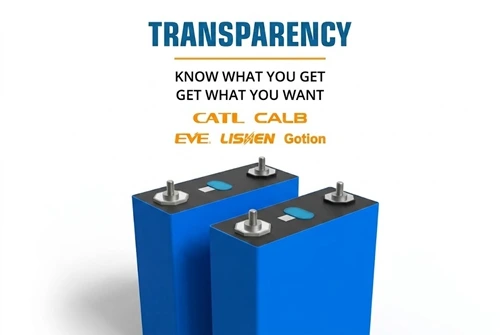
EVE MB56 3.2V 628Ah LiFePO4 Battery Cell for Solar Battery Energy Storage
Ship from China US$126.00
-

Gobel PowerThor 5000 5kWh Solar Home Inverter Battery Germany Designed
36% OFF Ship from China US$952.00
-

Project Zeta 356 51.2V EVE 356Ah 18kWh DIY Battery Cell Kit with JK BMS WIFI Function
Ship from China US$1,592.00
-
EU Stock EVE MB56 3.2V 628Ah LiFePO4 Battery Cell 8000 Cycles
Ship from China US$146.00
-

Grade A EVE 3.2V 314Ah MB31 Rechargeable LiFePO4 Battery Cell
12% OFF Ship from China US$70.00
-

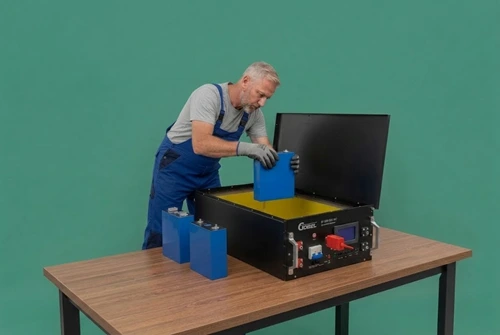
Project Zeta 314 51.2V 16S LiFePO4 Battery Pack DIY Kit Case with JK BMS WIFI Function
Ship from China US$458.00
-
EU Stock EV Grade HSEV EVE 3.2V 314Ah MB31 Rechargeable LiFePO4 Battery Cell
11% OFF Ship from China Get Price
-

EU Stock Gobel Project Zeta 314 DIY Kit with Grade A 314Ah Cells 51.2V LiFePO4 Battery Case
20% OFF Ship from China US$1,599.00
-

EU Stock Project Zeta 314 51.2V 16S LiFePO4 Battery Pack DIY Kit Case with JK BMS
23% OFF Ship from China US$515.00


-

Solution LiFePO4 Battery Cell -

Solution Solar Inverter
Our solar battery changed the way I use electricity at home, especially during the evening peak. Before installing it, my solar panels produced plenty of power during the day, but I still bought electricity after sunset when everyone was cooking, showering, and running appliances. That was frustrating because the cheapest-looking part of my solar system was not always saving me money.
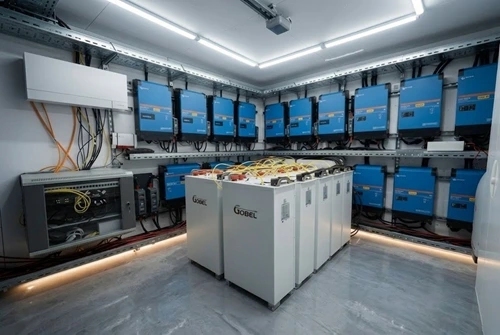
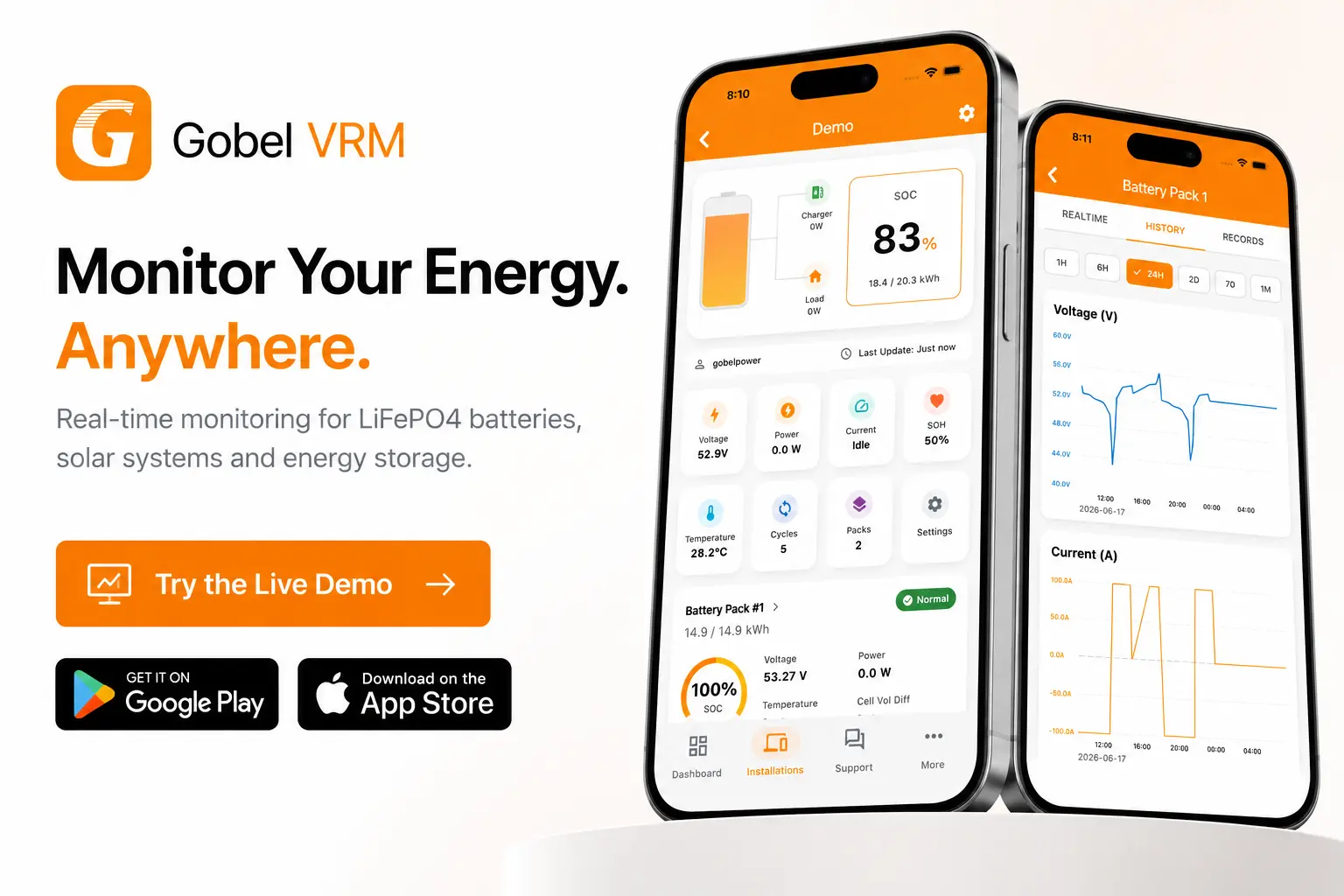
I spent several weeks comparing the solar power battery price, usable capacity, warranty, and installation cost. I eventually chose a lithium iron phosphate home battery with enough storage for our usual evening demand, rather than paying extra for a much larger system. The installer connected it to my existing solar inverter, and the setup took most of a day. The app was ready that evening, although it took me a few days to understand the difference between solar production, battery charging, and household consumption.
The biggest improvement has been my peak-hour bill. I programmed the battery to charge from the solar panels around midday and discharge after 4 p.m. On sunny days, it usually covers dinner, lights, the television, and some laundry without pulling much from the grid. My monthly bill dropped by roughly 30 to 40 percent compared with the same months before adding battery storage. The exact savings vary with weather, but shifting that evening usage has made the investment feel worthwhile.
I did have one minor scare during the first month. The battery stopped discharging because its backup reserve was set too high, leaving 30 percent untouched even when the house was using power. A quick call to the installer and an app setting adjustment fixed it. Now I keep a smaller emergency reserve during normal weather and raise it before storms.
The battery backup also gives me peace of mind during short outages. It is not a whole-house generator, but it keeps our refrigerator, Wi-Fi, lights, and a few outlets running. For me, that practical daily usefulness matters more than chasing maximum capacity.