 Europe Warehouse Stock

fortune lfp cells
Lithium Battery Supplier-

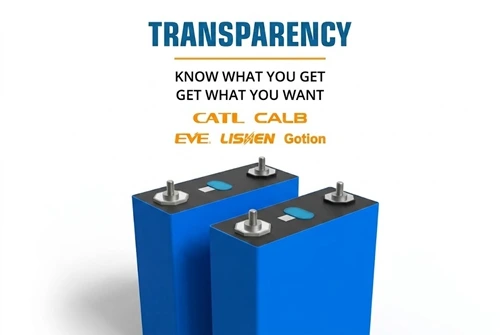
Grade A EVE 3.2V 356Ah LF356L Rechargeable LiFePO4 Battery Cell
Ship from China US$72.00
-

EU Stock Grade A EVE 3.2V 314Ah MB31 Rechargeable LiFePO4 Battery Cell
Ship from China US$78.00
-

Gobel Power 51.2V 15kW Stackable LiFePO4 Battery
Ship from China Get Price
-

Cornex Grade A 3.2V 314Ah Rechargeable LiFePO4 Battery Cell
Ship from China US$68.00
-

Eu Stock Grade A LiShen 3.2V 314Ah LiFePO4 Battery Cell
22% OFF Ship from China Get Price
-

Project Zeta 356 51.2V EVE 356Ah 18kWh DIY Battery Cell Kit with JK BMS WIFI Function
Ship from China US$1,592.00


-

Solution Solar Inverter -

Solution LiFePO4 Battery Cell
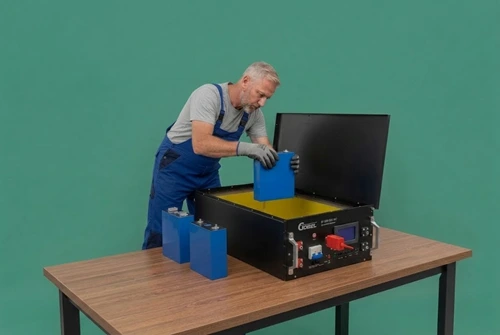
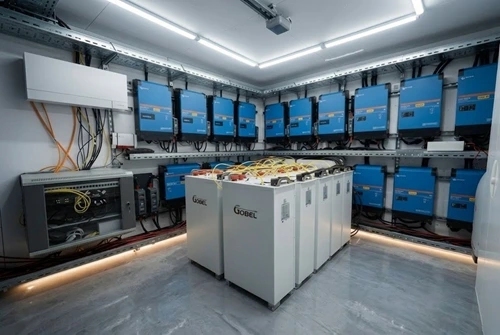
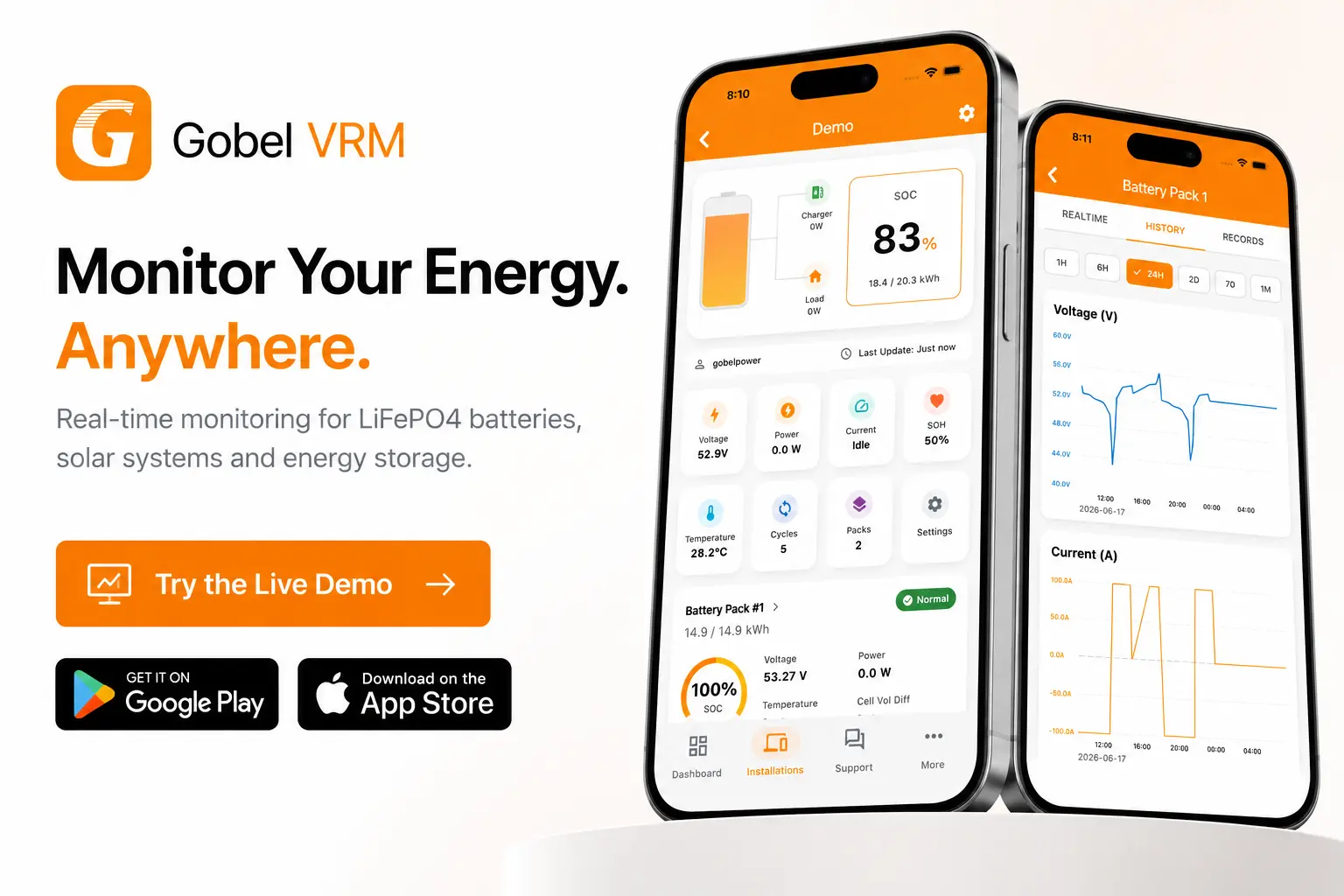
Over the past six months, my home battery has changed how I use our rooftop solar. I installed a 10kWh lithium iron phosphate (LFP) storage unit, using fortune lfp cells, after getting tired of sending midday electricity back to the grid. The installation itself was less dramatic than I expected. The electrician finished the wiring in one afternoon, configured the battery management system, and walked me through the app. I chose a simple schedule: charge from solar after breakfast and discharge during our evening peak period.
On sunny days, my battery reaches full charge around 2:30 p.m., then carries the refrigerator, lights, Wi-Fi, and heat-pump water heater through dinner. Before storage, my household routinely pulled expensive grid power between 4 and 9 p.m. Now the meter often shows almost no import during those hours. My evening consumption is roughly 6kWh, so the battery saves about $1.50 to $2.00 on a typical weekday, depending on the utility rate. That is not a spectacular overnight bill disappearance, but it has made the monthly statement noticeably smaller and more predictable.
The one hiccup came during a cloudy week. The app reported “reserve mode” and stopped discharging at 40%. I initially thought the solar battery had failed, but the backup reserve setting had accidentally been raised after a firmware update. I lowered it back to 20%, rebooted the gateway, and normal operation returned within a few minutes. That small lesson mattered: I now check settings after updates instead of trusting the dashboard blindly.
So far, the lithium battery has handled daily cycling quietly, with no noticeable fan noise in the hallway and no maintenance beyond keeping the software current. I still keep some grid connection for winter and unusually cloudy days, but the combination of solar panels and home energy storage has made our electricity use feel much more intentional.