No, you should never mix battery cells with different capacities in either series or parallel configurations. Doing so will lead to severe performance degradation, cell imbalance, and safety risks.
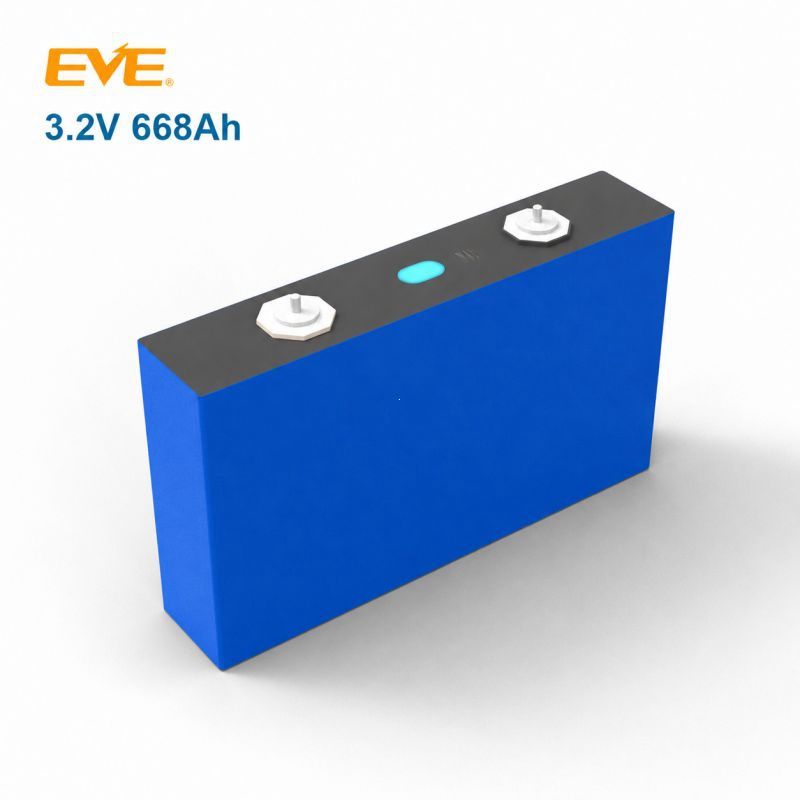
Here is why, using 668Ah and 314Ah cells as an example:
### 1. In Series Configuration
When connected in series, the exact same current flows through all cells. During discharge, the smaller 314Ah cell will deplete completely while the 668Ah cell still has 354Ah of remaining capacity.
- This causes the 314Ah cell to over-discharge and trigger the BMS under-voltage protection, prematurely shutting down the entire battery pack and rendering the remaining energy in the 668Ah cell unusable.
- During charging, the 314Ah cell will reach full capacity much faster and risk overcharging if individual cell protection is absent or delayed.
### 2. In Parallel Configuration
When connected in parallel, cells attempt to maintain equal voltage across the bank. Due to differing internal resistance, capacity curves, and chemical dynamics between a 668Ah and a 314Ah cell, current will not distribute proportionally.
- The smaller 314Ah cell may experience disproportionately high charge/discharge current spikes, leading to uneven thermal stress, accelerated cell degradation, and potential thermal runaway risks.
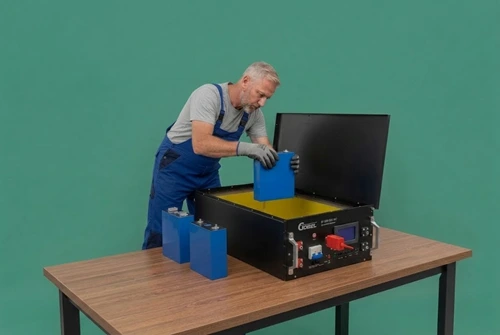
Conclusion: Always use cells of the exact same capacity (e.g., all 668Ah or all 314Ah), brand, chemistry, and production batch when assembling a battery pack.

 Europe Warehouse Stock


 Europe warehouse
7–15 days